Public Health
Fatal Legionella Outbreak in Basel: 26 Infected, Cooling Tower Identified as Source
A Legionella outbreak in Basel has resulted in 26 infections and one death over the past two weeks. Health authorities have identified and shut down a contaminated cooling tower on a roof in Kleinbasel as the source of the outbreak. Many of the infected required hospitalization, with several in intensive care.
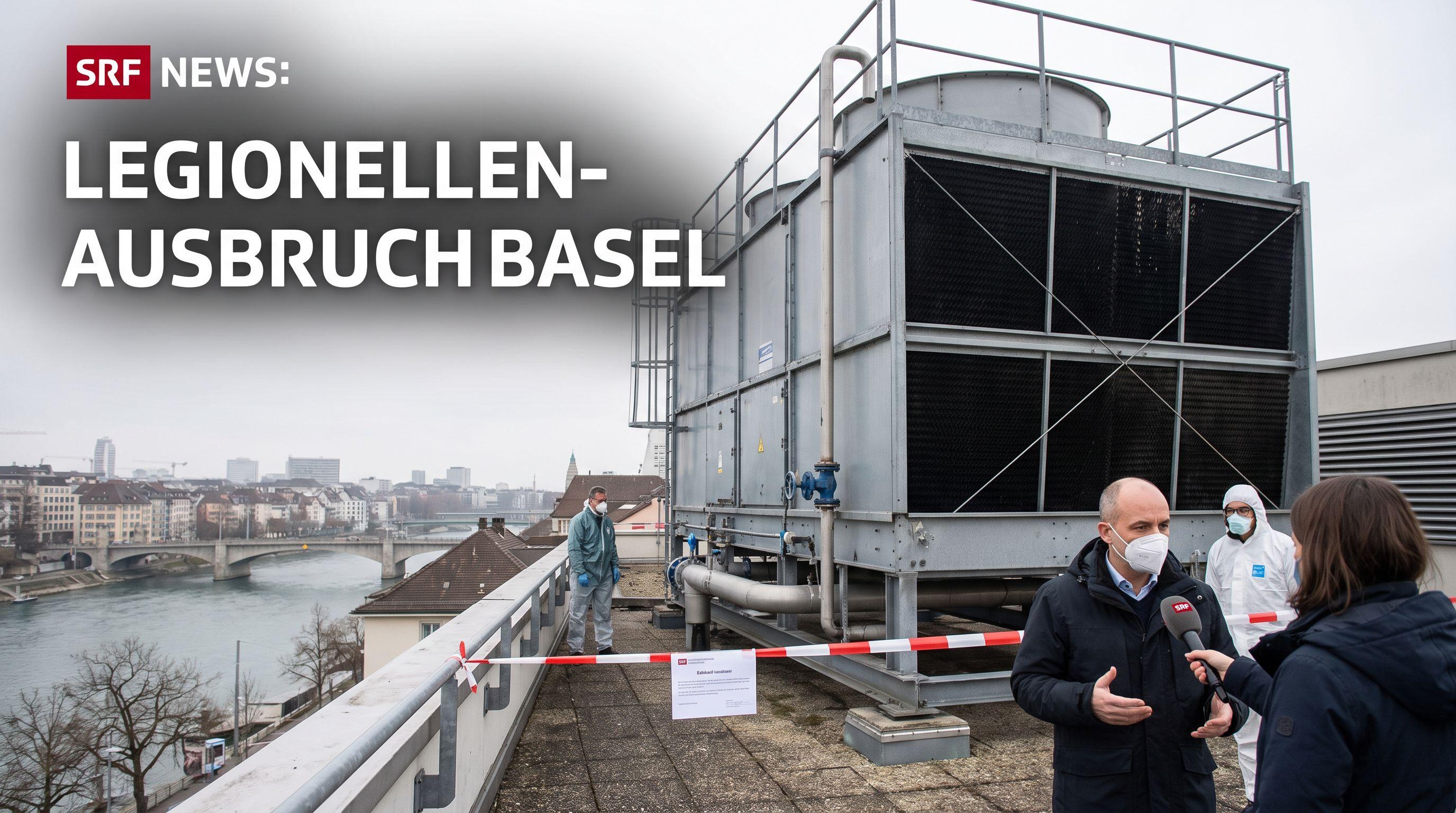
Basel Grapples with Deadly Bacterial Surge
A staggering 26 infections in just 14 days have plunged Basel into a localized health crisis, claiming one life and leaving dozens more fighting for breath. This is not a slow-burn issue; it is a rapid-fire outbreak that has blindsided the city's health infrastructure. The Department of Health confirmed the grim tally on Monday, marking one of the most concentrated Legionella spikes in recent regional history. While Switzerland prides itself on pristine standards, this bacterial invasion proves that even the most modern urban environments harbor hidden lethality. The speed of transmission has sent shockwaves through the community, as health officials scramble to contain what began as a silent, airborne threat. Every hour counts as authorities trace the movements of the infected to ensure no secondary clusters emerge. The fatality underscores the severe risk posed to vulnerable populations, transforming a technical failure into a human tragedy that demands immediate accountability.
Authorities Neutralize the Kleinbasel Source
Investigators have finally silenced the source: a single contaminated cooling tower perched atop a roof in the densely populated Kleinbasel district. Following an aggressive sweep, the cantonal laboratory identified the facility and ordered an immediate shutdown last Friday. However, the investigation did not stop there. Health Director Lukas Engelberger revealed that experts have extended their dragnet to nine additional cooling towers across the city, testing refrigeration and ventilation systems to prevent a wider catastrophe. This decisive action highlights the invisible dangers lurking in urban infrastructure. Legionella thrives in the warm, stagnant waters of poorly maintained industrial systems, aerosolizing into a fine mist that unsuspecting citizens inhale. By shuttering the Kleinbasel site, authorities have severed the primary link in the infection chain, yet the presence of so many other industrial units under review suggests a systemic vulnerability that Basel must now confront head-on.
Hospitals Confront a Critical Influx
The clinical reality of this outbreak is harrowing: 25 out of the 26 infected individuals required immediate hospitalization. This near-100% hospitalization rate exposes the extreme virulence of the current strain. Currently, nine patients remain under inpatient care, but the most alarming figure lies in the intensive care units, where seven people are currently fighting for their lives. These are not mere statistics; they represent a significant strain on Basel’s medical resources. The progression from inhalation to severe pneumonia—the hallmark of Legionnaires' disease—is swift and unforgiving. While the majority of the infected have transitioned out of acute danger, the high percentage of ICU admissions indicates that the bacterial load emitted by the Kleinbasel source was exceptionally high. Medical teams are utilizing aggressive antibiotic protocols to stabilize the remaining patients, even as the city waits to see if the death toll will climb further.
Switzerland Demands Stricter Infrastructure Oversight
This fatal lapse in Basel serves as a wake-up call for the entire Confederation, demanding a radical rethink of how we monitor urban air and water systems. The fact that a single cooling tower could incapacitate 26 people and cause a death suggests that current maintenance regulations may be insufficient. Moving forward, the Basel Health Department and federal authorities will likely face intense pressure to implement mandatory, high-frequency testing for all aerosol-producing industrial sites. We are witnessing the consequences of invisible neglect. As the city recovers, the focus shifts from emergency response to long-term prevention. Switzerland must lead the way in smart-city monitoring, ensuring that the air in our streets is as clean as the water in our taps. The Kleinbasel incident will undoubtedly become a case study in public health textbooks, illustrating the vital necessity of rigorous environmental oversight in the 21st century. The cost of inaction is no longer theoretical—it has been measured in human lives.