consumer protection
Swiss police warn Uber users about new impersonation scam
Swiss police are warning Uber users about a new scam involving criminals impersonating the ride-hailing platform. The article should explain how the fraud works, identify practical warning signs and outline what victims should do after disclosing payment or account information.
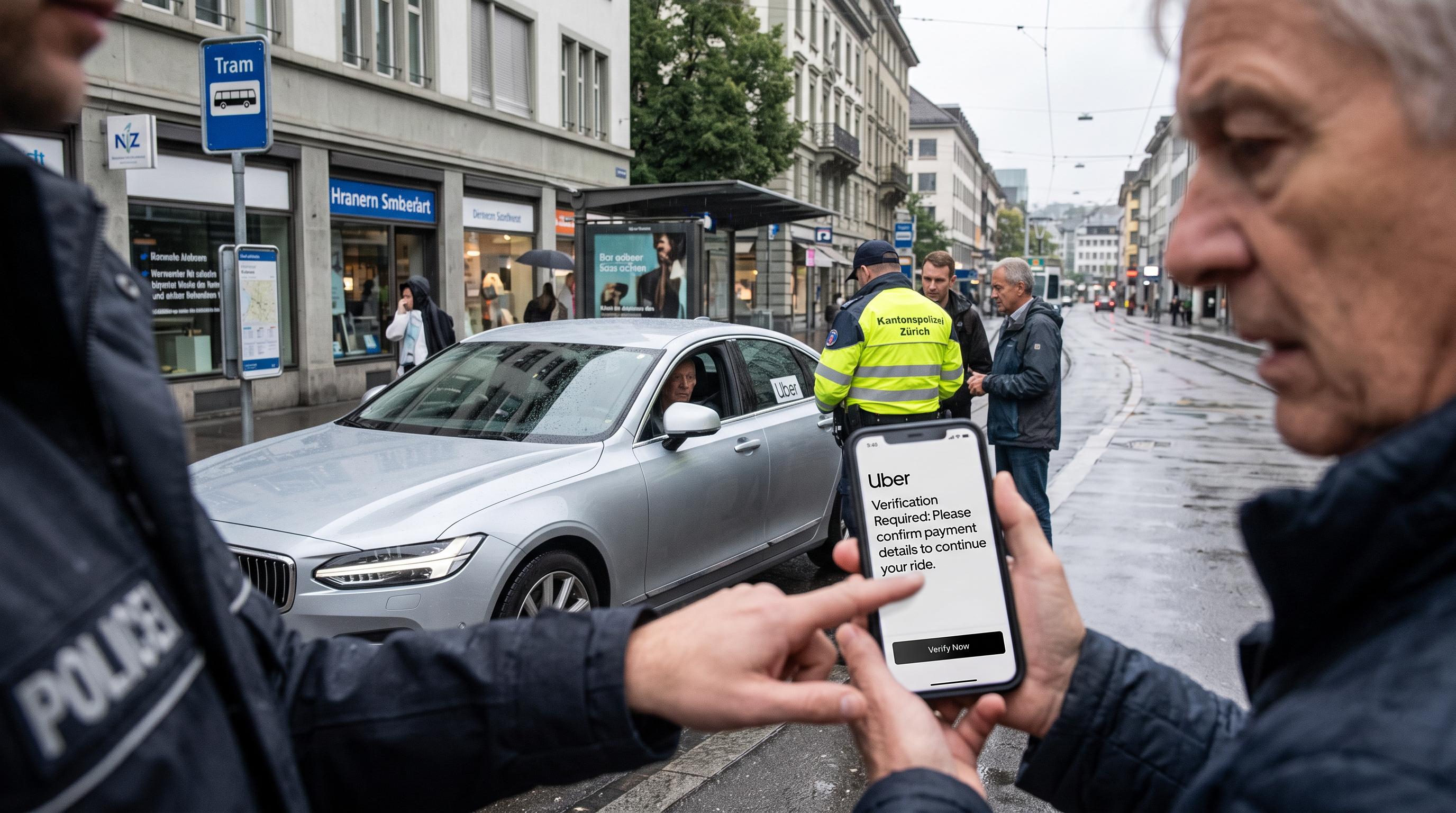
Police Flag a New Uber Phishing Campaign
Swiss cyber police are warning Uber users in Switzerland about a phishing campaign designed to capture payment information. The fraud begins with an email that appears to come from Uber and carries the subject line “Action Required”. It tells the recipient to verify or update payment details, creating the impression that access to the service or an account may depend on an immediate response.
The message contains a link. When opened, it takes the recipient to a website built to resemble an Uber account-management dashboard. The page asks for banking information, giving criminals the data they need to attempt unauthorised transactions, empty accounts or pursue other forms of identity and payment fraud.
The warning applies to anyone who uses the Uber app in Switzerland, regardless of whether the message appears personalised. A familiar logo, professional layout or reference to a real service does not establish that an email came from Uber. The reported campaign relies on a routine account task and a short deadline to move users from reading the message to entering sensitive information.
Swiss police have urged the public to treat unexpected payment requests as suspicious and to verify them through an independent route before taking action.
Spot the Red Flags Before You Click
The decisive warning sign is an unsolicited request to enter banking information through a message link. The reported email claims that payment details must be verified or updated. That request should prompt users to stop, even when the message appears to use familiar branding or polished language.
Swiss cyber police advise against clicking links in suspicious emails, WhatsApp messages or other texts. Users should open the official Uber app directly or type a known official web address into their browser. They should then check whether the account shows a genuine notification. Contacting the company through independently sourced support details is safer than replying to the message or using its embedded link.
A legitimate-looking webpage can still be a criminal copy. Check the full web address before entering information, but do not rely on visual design alone. Phishing sites often reproduce account dashboards, colours and logos closely enough to appear credible on a phone screen.
The same caution applies to requests for card numbers, bank-account details, passwords, security codes or other information that could permit access to money. A request for urgency is another reason to pause. Users who are unsure should close the page and verify the issue through an official channel.
Act Fast If You Shared Your Details
Anyone who has submitted banking or account information should contact their bank immediately. The source advises victims to ask the bank to block affected cards and to attempt to recover any payments made. Speed matters because criminals may try to use the information quickly or test it with small transactions before making larger ones.
Victims should explain exactly what they disclosed, when they entered it and whether they authorised any payment. They should monitor account and card activity closely, preserve the original email, screenshots and transaction records, and report suspicious transactions to the bank. If a password was entered, it should be changed through the genuine service, along with any other account that reused the same password. Multi-factor authentication should be enabled where available.
The source warns that recovering stolen money is not guaranteed. That makes early contact with the bank especially important. Victims should also report the incident to the relevant Swiss authorities and follow the bank’s instructions about card replacement, account protection and formal complaints.
People who only opened the message but entered no information should still delete it, avoid further contact and check their accounts for unusual activity. A phishing attempt can also lead to malware or follow-up calls from criminals posing as bank staff.
A Wider Warning for Swiss Consumers
The Uber campaign is part of a wider fraud problem affecting people in Switzerland online, by phone and in person. The warning comes as criminals continue to use trusted brands, official-looking documents and urgent demands to make targets hand over money or personal information.
The source also cites scams aimed specifically at foreign residents. One scheme offers a fictitious hotel job and demands €300 to €1,000 for a Swiss permit and health and accident insurance. Another uses official-looking letters to claim that immigrants must leave Switzerland. These examples share the same basic pressure tactic as the Uber email: a credible story, a demand for money or data and an instruction to act before checking the claim.
Swiss residents can reduce their exposure by treating unexpected requests as unverified until independently confirmed. That means using contact details found on an official website or in a genuine app, rather than numbers and links supplied by a suspicious message. Banks, public authorities and technology companies will not become more trustworthy because an email looks professional.
The police advice is practical: stop, verify and avoid sharing financial information with third parties until the request has been authenticated. Reporting attempts also helps institutions identify campaigns and warn others.