Society
Nearly one in five children in Switzerland is at risk of poverty
A new report estimates that 114,000 children in Switzerland live in poverty and another 315,000 are at risk. The Swiss Network for Children’s Rights is calling for national targets and minimum standards for family support.
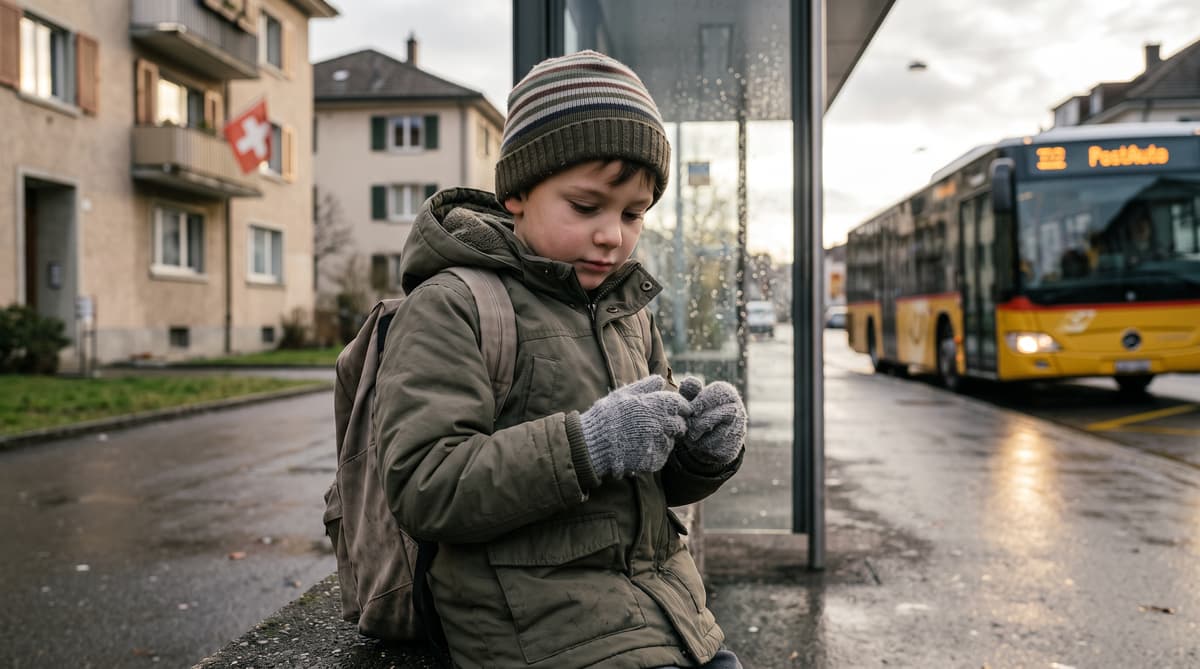
Nearly 429,000 children are either living in poverty or exposed to it. That estimate places child poverty among Switzerland’s most pressing social policy issues, even in a country with a population of about nine million and a strong social safety net.
The figures cited by SRF come from a statement by the Swiss Network for Children’s Rights. It estimates that 114,000 children live in poverty and that a further 315,000 are at risk. The network says the consequences reach beyond household finances. Poverty can restrict children’s educational opportunities, affect their development and health, and limit their participation in social life.
The report also identifies families facing particular pressure. Children in single parent households and large families are especially exposed, although the source does not provide separate figures for each group. For parents, differences in childcare costs, housing expenses, income and public support can determine whether a family remains financially secure.
The findings arrive as debate over the country’s “invisible working poor” continues. Switzerland’s employment model does not shield every household from hardship, particularly when family responsibilities and living costs reduce the room in a monthly budget.
Set a national floor for family support
Support for families can change sharply from one canton to another. The Swiss Network for Children’s Rights says the assistance a family receives depends on its canton of residence and residency status, creating a patchwork of benefits rather than a consistent national baseline.
That federal structure affects practical areas of family life. Benefits, advice services and access to support may be organised differently across cantonal systems. A family facing the same financial pressure can therefore encounter different rules depending on where it lives. The source does not rank cantons or identify specific regional gaps, but it points to residence as a decisive factor in access to assistance.
The network wants the federal government to set nationwide minimum standards for family benefits. It also calls for binding national targets and regular reviews that measure whether policies are reducing child poverty. Those proposals would give Switzerland a common framework while leaving room for cantons to administer services.
A national strategy would also make responsibility easier to track. Public authorities could compare outcomes, identify programmes that work and address gaps that remain hidden when data and support systems are divided between jurisdictions.
Track what poverty changes in children’s lives
The network says child poverty damages opportunities that shape a child’s future. Its statement links financial hardship to education, development, health and social participation. These effects can accumulate when children lack stable access to activities, learning resources or the conditions needed to participate alongside their peers.
The organisation is asking for a separate child specific component in Switzerland’s National Poverty Monitoring System. Such a component would make children visible within national data and allow policymakers to follow their circumstances directly, rather than treating them only as members of households.
The network also points to wider data gaps in children’s rights policy. It says Switzerland still lacks key information about children placed outside their families and about the reasons behind child protection measures. Without that information, authorities have less evidence for assessing need, allocating resources and reviewing the impact of interventions.
The call comes five years after recommendations from the UN Committee on the Rights of the Child. According to the network, those recommendations have not yet been implemented satisfactorily. It says child rights impact assessments remain limited to a mention in official message guidelines, rather than becoming a systematic part of federal decision making.