Social Issues
New National Hotline for Domestic Violence Victims to Launch After Delays
A new, 24/7 national hotline (142) for victims of domestic violence is set to go live, providing immediate and permanent access to assistance across all cantons amidst rising concerns over violence-related offenses.
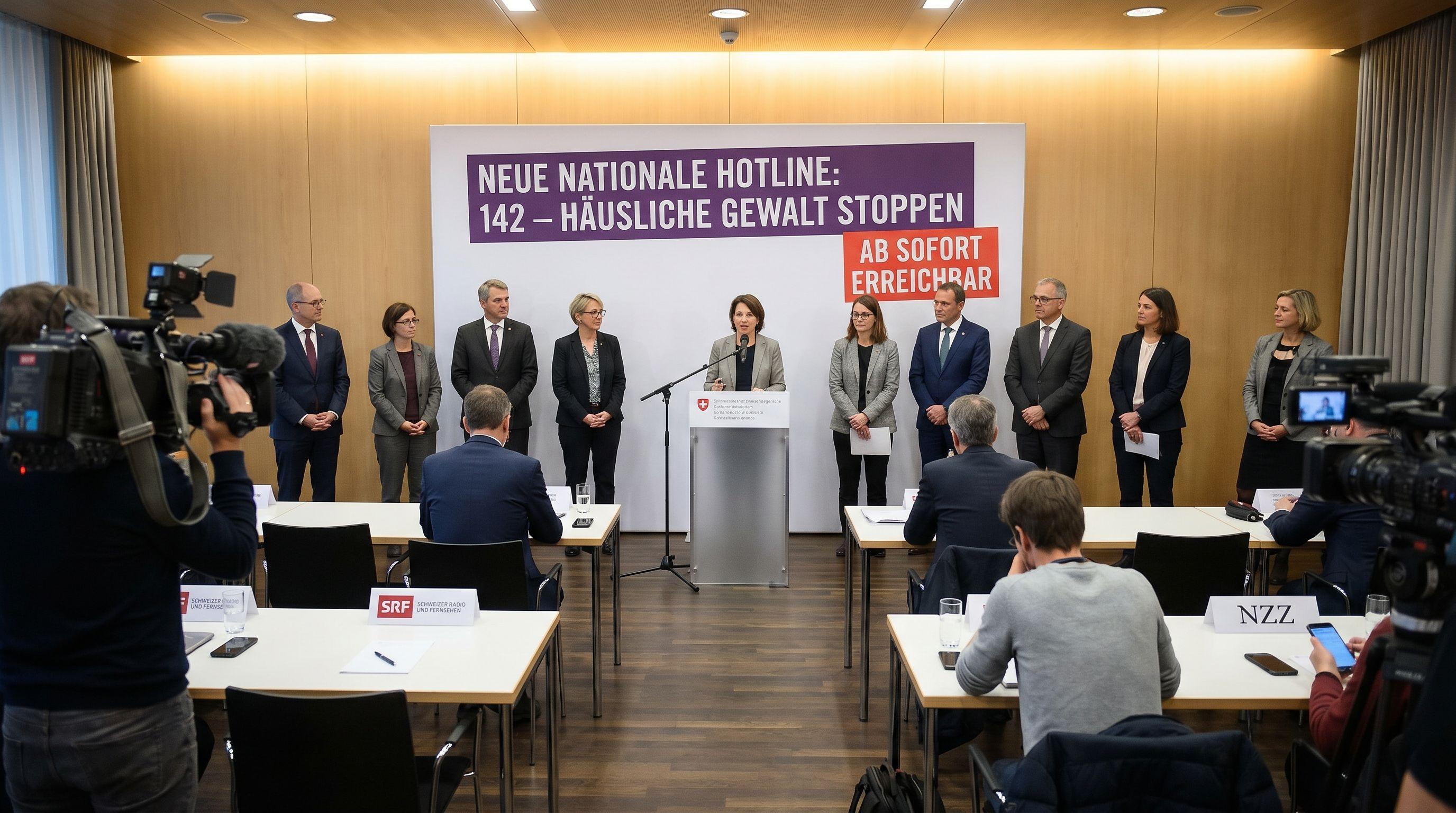
Switzerland Breaks the Silence with Hotline 142
Switzerland is finally answering the call for help. This Friday, the nation activates its first-ever 24/7 national domestic violence hotline, accessible via the short-dial number 142. For years, victims have navigated a fragmented landscape of cantonal services; now, immediate and permanent access to professional assistance is guaranteed regardless of geography. Justice Minister Beat Jans and cantonal leaders confirmed that staff have undergone rigorous training to ensure minimum standards are met from Geneva to St. Gallen. This launch arrives at a critical juncture, following a series of technical delays that drew sharp criticism from advocates. The 142 service represents more than just a phone line—it is a federal promise that no victim will be left to face violence alone. While the hotline is managed at the cantonal level, the unified number eliminates the confusion that often prevents victims from seeking life-saving intervention during the most vulnerable moments of their lives.
Surging Statistics Demand Radical Intervention
A staggering 22,066 violence-related offences were recorded in 2025 alone. This figure represents a sharp 4.4% increase over the previous year, a trend that Matthias Reynard, president of the Conference of Cantonal Directors of Social Affairs, describes as a call to action. The reality is grim: more than half of all homicides in Switzerland occur within the domestic sphere. The first two months of 2024 were marred by five femicides, sparking massive protests in cities like Bellizona. These are not just numbers; they are a systemic failure that the Confederation is now scrambling to address. While the 4.4% surge in reported cases may partially reflect an increased willingness of victims to come forward, it also highlights an escalating culture of aggression that existing measures have failed to contain. The urgency is palpable as authorities acknowledge that the current trajectory is unsustainable for a country that prides itself on safety and social stability.
Shelter Crisis Exposes Cantonal Inequality
A startling 40% of women and children in Zurich’s domestic violence shelters are refugees from other cantons. This statistic, revealed by Zurich’s Justice Director Jacqueline Fehr, exposes a glaring disparity in Swiss social infrastructure. While the national hotline provides a digital gateway to help, the physical reality is one of severe scarcity. Emergency housing options remain dangerously limited, and the quality of assistance varies 'far too much' between cantons. Reynard warns that current structures are under unprecedented pressure, with some regions effectively outsourcing their victims to better-equipped neighbors like Zurich. Fehr has been vocal in her criticism, suggesting that without a 'very firm line,' authorities tend to deprioritize domestic violence in favor of less complex issues. The launch of 142 must therefore be the first step in a broader overhaul of physical protection services, as a phone call is only effective if there is a safe bed waiting at the other end of the line.
Enforcing Accountability through Digital Surveillance
The fight against domestic violence is moving into the digital age with the strengthening of electronic monitoring for perpetrators. Vassilis Venizelos of the canton of Vaud has announced a new 'starter kit' for cantons to streamline the tracking of high-risk offenders. This move signals a shift from reactive support to proactive prevention. By leveraging technology to enforce restraining orders, authorities aim to close the gap between a victim's call for help and the physical presence of a threat. However, Justice Minister Beat Jans cautions that while results from recent initiatives are 'good,' they are far from sufficient. Future reforms are expected to focus on tightening the legal loopholes that allow repeat offenders to remain in proximity to their victims. As Switzerland moves forward, the integration of the 142 hotline with aggressive electronic surveillance and expanded housing will determine if the country can truly reverse the tide of domestic terror. The message from Bern is clear: the era of administrative delays is over, and the era of accountability has begun.