Social Issues
Lucerne Becomes Sixth Swiss City to Join 'Rainbow Cities Network' for LGBTQ+ Rights
The City of Lucerne has officially joined the international 'Rainbow Cities Network,' a global group of 62 cities committed to promoting equality and acceptance for gender and sexual diversity. Lucerne will now report on its activities and collaborate with other member cities.
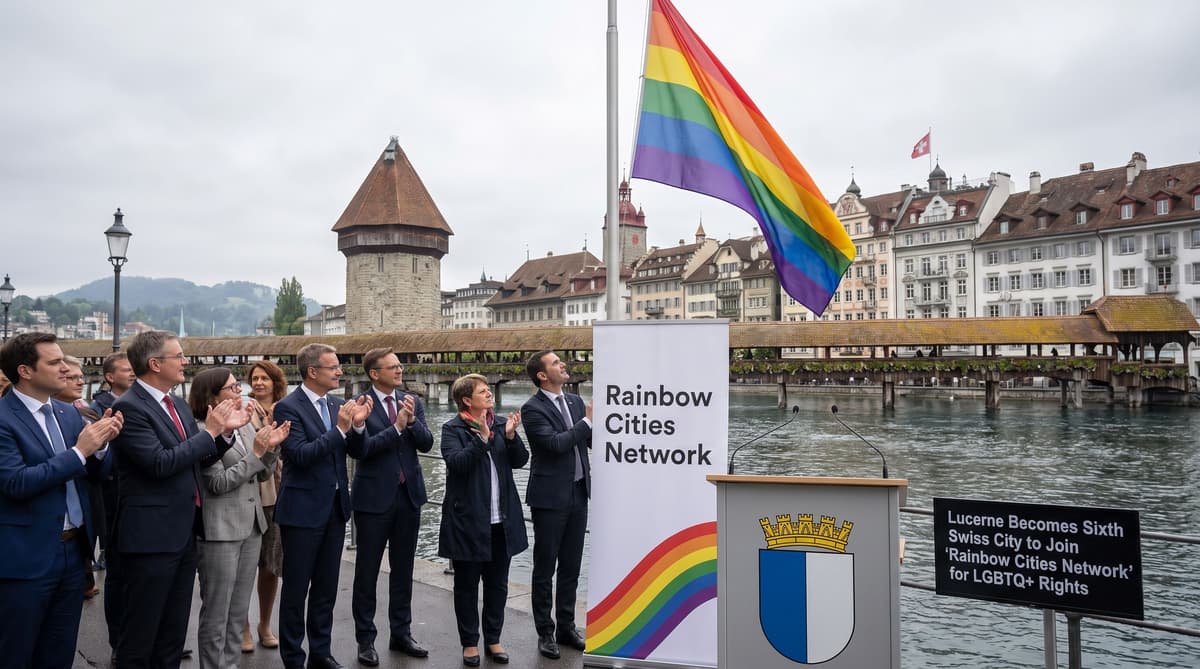
Lucerne is no longer waiting on the sidelines of social progress. By officially joining the international 'Rainbow Cities Network,' this historic Swiss hub has cemented its status as the sixth city in the nation to declare an unwavering commitment to LGBTQ+ rights. This move is not merely symbolic; it is a decisive response to a citizens' petition that has been gaining momentum since 2017. For nearly a decade, local advocates have demanded that the city move beyond passive tolerance and toward active protection of its queer residents. Mayor Beat Züsli delivered a powerful mandate upon the announcement, asserting that equality is not a passive state but a result of 'firm stance, cooperation, and concrete measures.' While Lucerne has long been a crown jewel of Swiss tourism, it is now positioning itself as a beacon of human rights, joining the ranks of Zurich, Geneva, Basel, Bern, and Lausanne. This transition marks a critical shift in the city's administrative DNA, moving from traditional conservatism toward a proactive, inclusive urban identity.
Scaling a Global Alliance
A staggering 62 cities worldwide now comprise the Rainbow Cities Network, a powerhouse coalition founded in 2013 to dismantle discrimination at the municipal level. Lucerne’s entry into this global fray means it will now participate in high-level annual meetings, reporting on its specific activities to promote equality for lesbian, gay, bisexual, trans, and intersex individuals. The city intends to 'draw inspiration' from international peers, effectively importing best practices from some of the most progressive urban centers on the planet. This collaboration is vital as cities increasingly become the primary battlegrounds for civil rights. By joining this network, Lucerne gains access to a sophisticated toolkit of policy measures designed to foster acceptance of gender and sexual diversity. The network’s growth—from a handful of founding members like Zurich and Geneva to over 60 global participants—underscores a massive shift in how local governments view their responsibility toward marginalized communities. Lucerne is no longer an island; it is now a node in a global network of resistance against bigotry.
Confronting the Rights Rollback
The timing of Lucerne's move is critical as Switzerland grapples with a burgeoning fear of an 'LGBTIQ+ rights rollback.' While the nation has made significant strides, including the landmark 'Marriage for All' vote, activists warn that anti-queer rhetoric from the United States and other parts of Europe is beginning to seep into the Swiss social fabric. This external pressure creates an alarming atmosphere for the queer community, making Lucerne's 'firm stance' more than just a policy update—it is a defensive shield. In contrast to regions seeing a decline in protections, Lucerne is doubling down on visibility and institutional support. The city’s commitment to reporting and accountability within the network serves as a safeguard against political stagnation. By institutionalizing these protections, Lucerne ensures that the rights of its citizens are not subject to the whims of changing political tides. This proactive approach confronts the rising tide of exclusion head-on, signaling that Swiss cities remain committed to the European values of dignity and equality, even as global trends fluctuate.