Geneva Launches Specialized Crack Consumption Facility
New purpose-built extension opens at Geneva's supervised drug consumption center, specifically designed to address crack use after previous facility challenges.

"The mood inside is calmer, even if tensions on the street persist."
Geneva is no longer turning a blind eye to its crack epidemic—it is engineering a solution. In a staggering display of immediate impact, daily visitors to the supervised drug consumption center behind Cornavin train station have tripled overnight. Since quietly opening its doors just two weeks ago, the facility has seen attendance rocket from 90 to nearly 300 individuals per day. This dramatic surge underscores a critical reality: the demand for safe consumption spaces is not just high; it is overwhelming.
This reopening marks a pivotal shift. In the summer of 2023, the center was forced to ban crack use entirely after a wave of violence threatened to collapse the system. The facility simply could not cope. Now, authorities have reversed course, not with a crackdown, but with capacity. By acknowledging the sheer scale of the problem, Geneva is attempting to regain control over a volatile situation that had spilled onto the streets. The numbers speak for themselves—the user base was there, waiting in the shadows, and now they have returned in force to a regulated environment.
The city has injected a massive CHF 1.5 million public investment into stabilizing this public health emergency. The result of seven months of intensive construction is a 150-square-meter purpose-built extension designed specifically to handle the volatile nature of crack consumption. This is not merely a renovation; it is a tactical redesign of public space. The new wing features a dedicated rest area, upgraded sanitary facilities with showers, and, most crucially, a specialized room for inhalation.
Inside, the architecture dictates behavior. The design includes four individual smoking booths and a communal area, a layout strictly engineered to offer users a controlled space away from others. This spatial separation is vital. By physically compartmentalizing consumption, the facility aims to de-escalate the aggressive behaviors that led to the 2023 ban. It is a clinical approach to a chaotic problem, replacing the disorder of the street with the order of a medicalized environment. The investment signals that Geneva views this not as a criminal issue, but as an infrastructure challenge requiring significant capital and specialized design.
The stakes for the surrounding neighborhood of Les Grottes could not be higher. Once a vibrant cultural hub, the area has recently grappled with a deteriorating reputation, marred by public disorder and visible violence. Local retailers and residents have been on the front lines, bearing the brunt of the overflow from the drug scene. The new facility is the city's answer to their pleas—a strategic attempt to pull drug use out of the public eye and behind secure doors.
Early indicators suggest the strategy is working. Thomas Herquel, director of Première Ligne, the NGO operating the site, reports a significant shift in atmosphere. "The mood inside is calmer," Herquel stated, noting a stark contrast to the chaos that forced the previous closure. While he admits that tensions on the street persist, the internal stabilization is a critical first step. By providing a pressure valve for the addict population, the facility aims to reclaim the streets for the community, reducing the erratic behavior that has plagued the district for years.
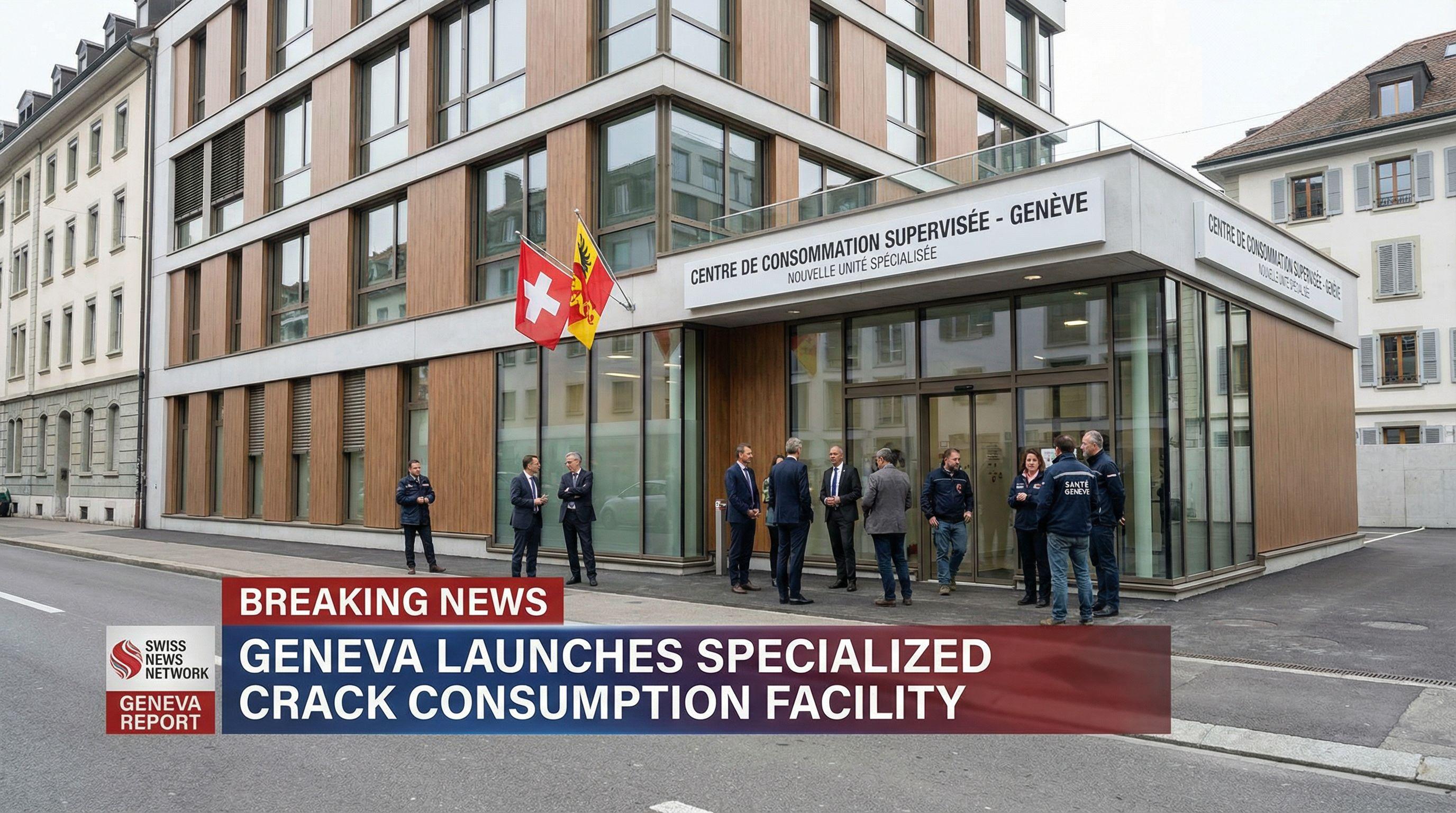
Switzerland continues to stand alone as a beacon of pragmatic drug policy. While other nations wage futile wars on drugs focused on criminalization, Geneva is doubling down on harm reduction. This CHF 1.5 million expansion is a physical manifestation of the Swiss philosophy: reducing harm to the individual and society takes precedence over enforcing abstinence. It is a bold, often controversial stance, but one that prioritizes survival and public order over moralizing.
This latest development reinforces Switzerland's commitment to its "Four Pillars" policy. By integrating consumption rooms into the urban fabric, the state acknowledges that drug use is a reality that must be managed rather than ignored. The immediate tripling of visitor numbers validates this approach—users are seeking safety. As cities across Europe struggle with rising crack epidemics, Geneva's decisive action serves as a critical case study. The city is betting that a well-funded, health-oriented approach can succeed where police crackdowns have failed, offering a potential roadmap for urban centers worldwide facing similar crises.