Environment
New 'Bee Initiative' Launched to Constitutionally Protect Pollinating Insects
A committee of beekeepers, environmentalists, and parliamentarians has officially launched a popular initiative aiming to enshrine the protection of bees and other pollinators in the Swiss constitution. They have until November 2027 to collect 100,000 signatures.
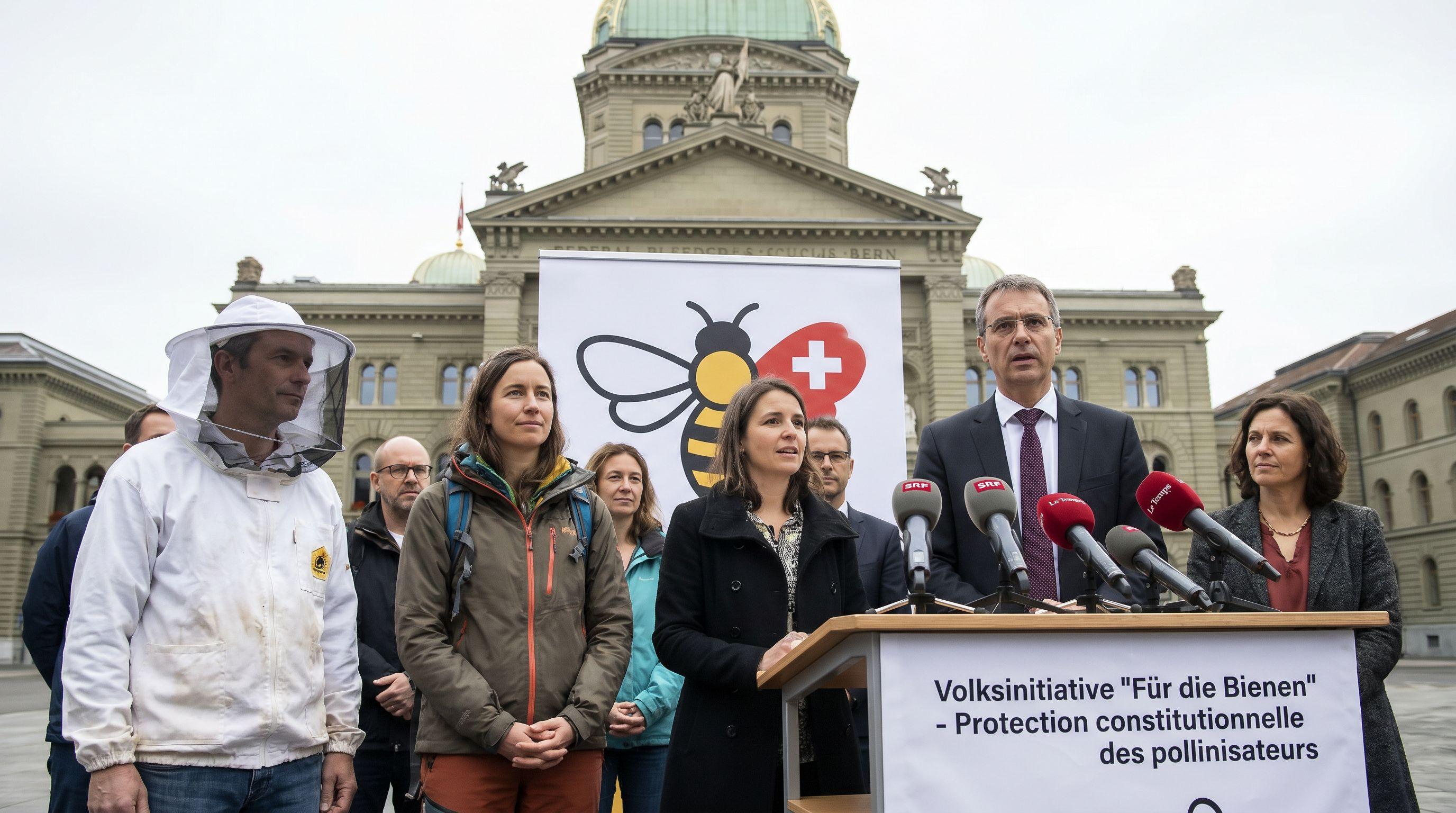
A Battle for the Buzz Begins
Switzerland confronts a pivotal ecological crossroads as a powerful coalition of beekeepers, environmentalists, and lawmakers officially launches the 'Bee Initiative.' This is not merely a plea for conservation; it is a bold movement to weave the protection of pollinators into the very fabric of the Swiss Constitution. On Tuesday, the initiative was formally published in the Federal Gazette, igniting a high-stakes race against time. The committee now grapples with a monumental task: they must secure 100,000 valid signatures by November 19, 2027. This surge of political energy stems from a growing alarm over the dramatic decline of insect populations that sustain our ecosystems. While previous environmental measures have attempted to stem the tide, proponents argue these efforts are insufficient. They demand a fundamental shift in how the nation values its smallest, yet most vital, workers. The clock is ticking, and the stakes for Swiss biodiversity have never been higher as this grassroots movement takes flight across the cantons.
Constitutional Mandates Demand Action
The proposed constitutional amendment carries unprecedented legal weight, forcing both federal and cantonal authorities to guarantee the pollination of wild and cultivated plants. This is a significant departure from voluntary guidelines; it mandates the deployment of 'necessary resources' to ensure insect survival. The initiative text specifically targets the central government to bolster the efforts of municipalities and the private sector. By setting strict guidelines, the initiative aims to transform the Swiss landscape into a sanctuary for pollinators. It emphasizes the maintenance and improvement of near-natural habitats, providing clear incentives for landowners to prioritize biodiversity. Critics may point to the lack of specific technical instructions in the text, but supporters argue this flexibility allows for evolving scientific strategies. In contrast to previous toothless regulations, this initiative seeks to create a legally binding framework that holds the state accountable for the health of its insect populations. The move signals a critical shift toward proactive, rather than reactive, environmental governance.
Mobilizing the Swiss Heartland
Direct democracy is the heartbeat of Switzerland, and the 'Bee Initiative' leverages this unique system to bypass political gridlock. To force a nationwide vote, the committee must mobilize a staggering 100,000 citizens in a display of collective will. This process is the ultimate test of public sentiment regarding the environmental crisis. Beekeepers across the country are already sounding the alarm, citing current measures as woefully inadequate. They are joined by nature lovers who see the decline of insects as a harbinger of broader ecological collapse. Meanwhile, the initiative’s publication in the Federal Gazette marks the start of a 18-month window of intense campaigning. From the Jura Mountains to the valleys of Ticino, the call for signatures will echo through every village. This is more than a signature drive; it is a national conversation about the price of progress and the value of nature. As the campaign unfolds, the contrast between traditional agricultural practices and new ecological mandates will likely become a central point of debate in the Swiss public square.
Securing the Future of Swiss Agriculture
The implications of this initiative extend far beyond the hives, threatening to reshape the future of Swiss agriculture and food security. Pollinators are the silent engines of our food system, and their failure would lead to a catastrophic drop in crop yields. By enshrining their protection in the constitution, Switzerland positions itself as a global leader in sustainable farming. The initiative envisions a future where the economy and ecology are no longer at odds, but work in tandem through state-supported incentives. Over the coming years, the debate will intensify as stakeholders weigh the costs of habitat restoration against the long-term risks of pollinator extinction. If successful, this initiative will not only protect insects but will also safeguard the livelihoods of thousands of farmers who depend on these natural services. The journey toward a 2027 vote is just beginning, but the momentum is undeniable. As Switzerland looks ahead, the 'Bee Initiative' stands as a critical testament to the power of citizens to demand a greener, more resilient future for the next generation.