Legal
Appeal Lodged by All Parties in Gstaad Human Trafficking Verdict
Both the prosecution and the defense have filed appeals against the recent verdict in a human trafficking case in the Bernese Oberland, where a family was convicted of exploiting women as cleaners in Gstaad under appalling conditions.
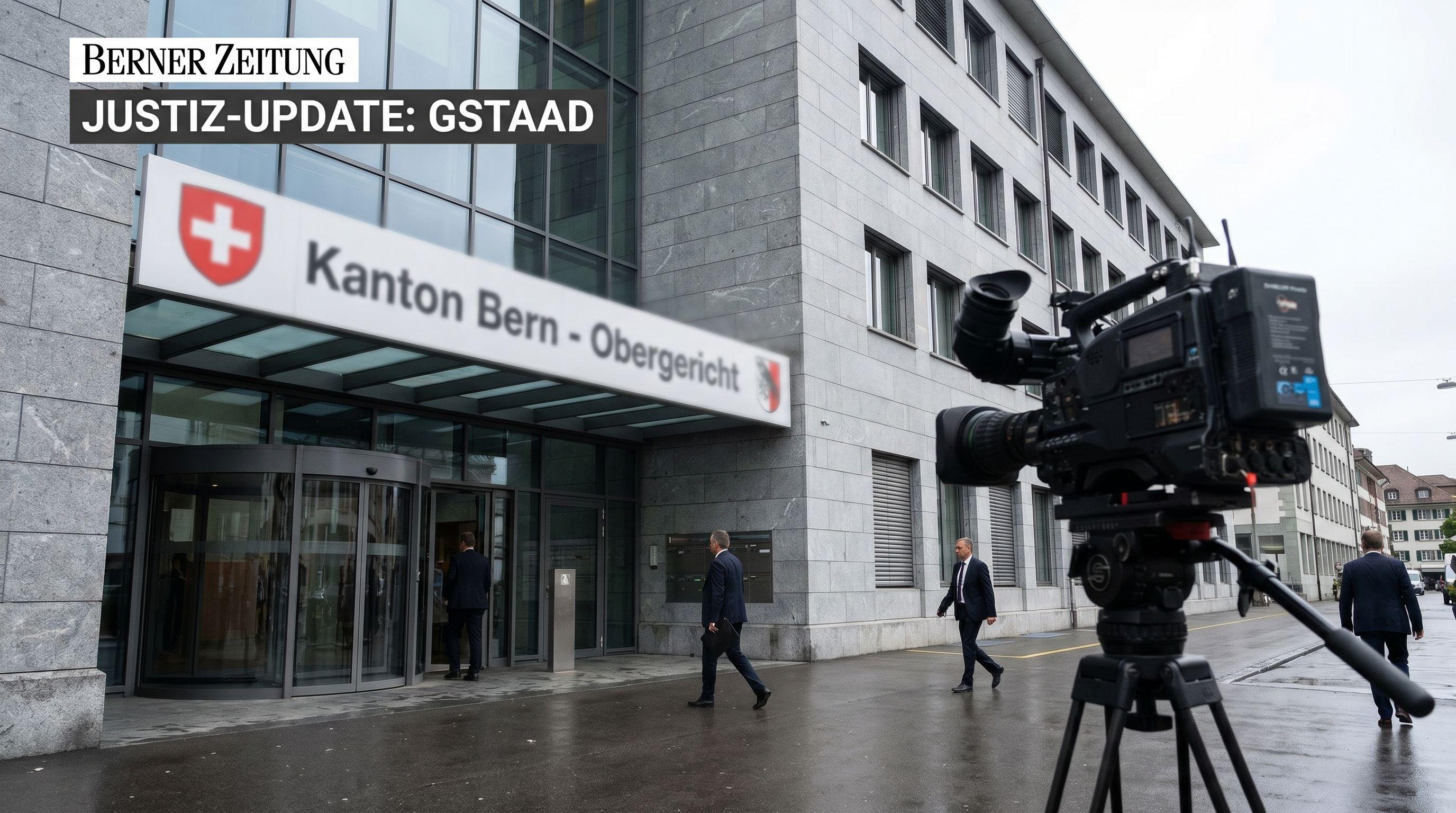
Justice Under Fire as All Sides Reject Gstaad Verdict
The battle for justice in the Bernese Oberland is far from over. In a dramatic escalation of one of Switzerland's most high-profile human trafficking cases, every single party involved has officially lodged an appeal. The prosecution and the defense are now locked in a legal stalemate after the Berner Oberland Regional Court delivered its initial verdict mid-June. This is no longer just a local crime story; it is a confrontation over the very definition of modern slavery in the heart of the Swiss Alps. The defendants—a Serbian family consisting of a 68-year-old matriarch, her 76-year-old husband, and their 48-year-old daughter—stand accused of running a sophisticated exploitation ring. While the court of first instance handed down significant prison terms, the prosecution demands even harsher penalties, while the defense continues to push for total acquittals on the most severe charges. The stakes are monumental, as the outcome will set a precedent for how Switzerland handles labor exploitation in its most exclusive enclaves.
Exploitation in the Shadows of Luxury
Gstaad is synonymous with opulence, but behind the closed doors of its pristine chalets, a dark reality has been exposed. The court found that for years, this family lulled vulnerable rural women from Serbia into Switzerland under false pretenses, only to trap them in a cycle of grueling labor. These women were deployed as cleaners, working under 'appalling conditions' that shocked the local community. Presiding Judge Jan Grunder was unequivocal: the family were no 'benefactors.' They were profiteers who exploited the economic desperation of their compatriots. While the defense argued the family was simply helping poor women find work, the court saw a calculated business model built on the backs of the marginalized. The ringleaders operated unchallenged for years, proving that even in the safest corners of Switzerland, the most vulnerable can remain invisible. This case pulls back the curtain on the 'cleaning lady' industry, revealing a grim underbelly where profit is prioritized over human dignity.
The Numbers Behind the Human Toll
The scale of the alleged exploitation is staggering, with the prosecution citing approximately 40 separate victims. However, the legal threshold for human trafficking is notoriously difficult to meet. In this instance, the court confirmed trafficking charges in a 'good dozen' cases—a significant number that still highlights the challenges of proving such crimes. The sentencing reflects the gravity of the offenses: the 68-year-old matriarch received 6 years in prison, her daughter 3 years and 9 months, and the father a partially suspended sentence of 2 years and 4 months. Yet, the prosecution is far from satisfied. They had originally sought sentences of more than 9, 10, and 12 years respectively. This discrepancy of nearly double the prison time is a primary driver for the appeal. Meanwhile, the defense points to the fact that victims were not physically locked up and received some form of payment—however meager—to argue that the 'human trafficking' label is an overreach. This statistical and legal tug-of-war underscores the complexity of modern trafficking cases in 2026.
Legal Battleground: The Road to the High Court
Switzerland now waits as the legal machinery grinds slowly toward a second-instance hearing. Defense lawyer Florian Kaufmann has confirmed that the parties are currently awaiting the written grounds for the judgement—a process that could take several months. Once those documents are delivered, a 20-day window opens for the formal lodging of the appeal, where specific amendments and new evidence applications must be filed. This case is unfolding against a worrying backdrop: the number of human trafficking victims in Switzerland saw a sharp increase in 2025. The Gstaad verdict is a litmus test for the Swiss judicial system's ability to protect foreign workers from domestic exploitation. As the case moves to the higher courts, the eyes of human rights advocates and the international community will be on Bern. The final ruling will determine whether the 'Gstaad cleaning ladies' case becomes a landmark victory for labor rights or a cautionary tale about the difficulties of prosecuting human trafficking in the modern era.