Skiing
Debate Mounts in Switzerland Over Imposing Alcohol Limits for Skiers
Amid growing safety concerns on ski slopes, there are increasing calls to introduce a legal blood alcohol limit for skiers. While proponents point to models in other countries like Italy, opponents fear the negative impact on Switzerland's vital tourism industry.
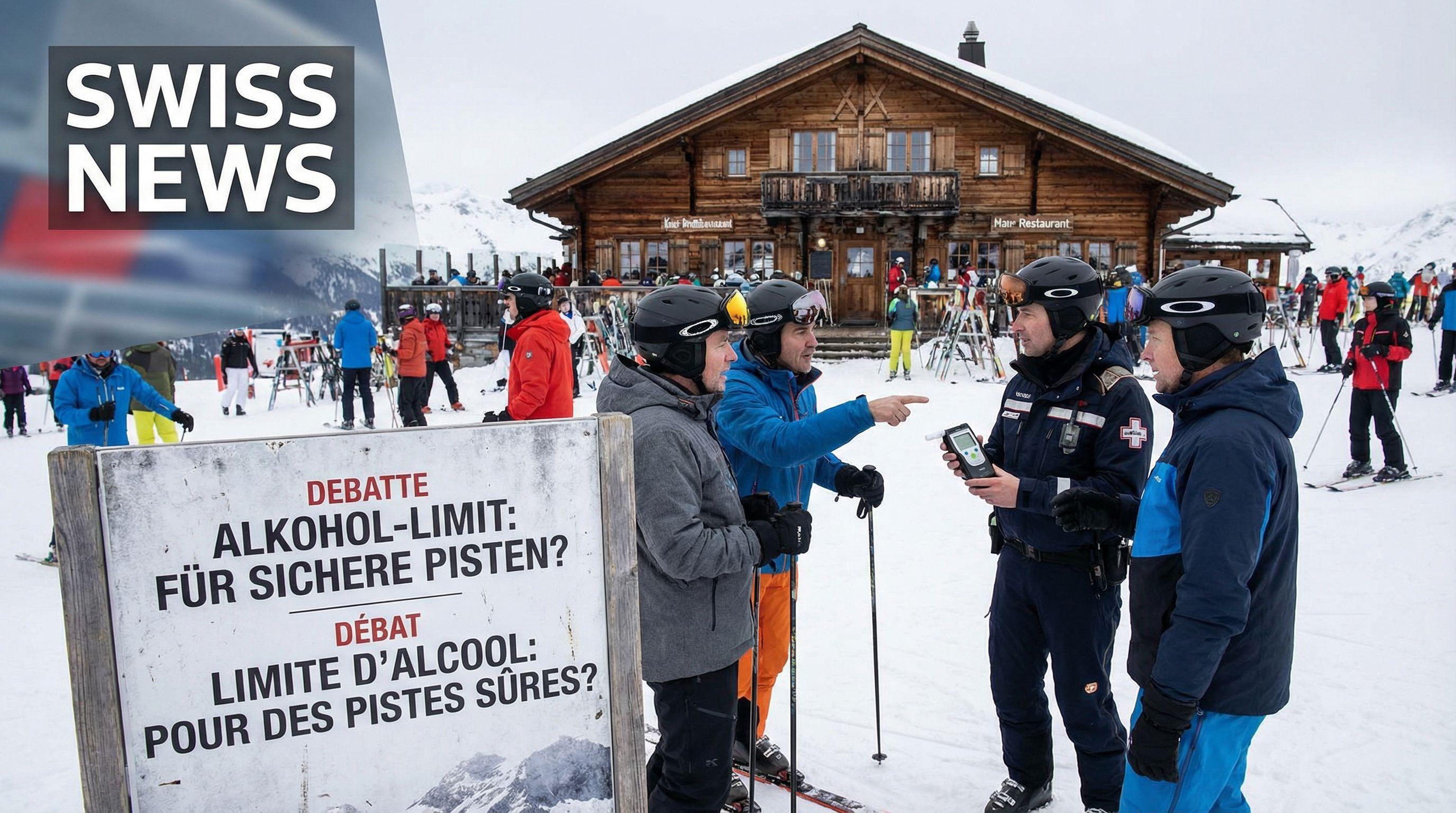
Slopes Under Scrutiny: The Battle for Sobriety
Switzerland confronts a critical turning point on its peaks this February. As of February 2, 2026, a fierce debate has erupted across the cantons, challenging the long-held tradition of unrestricted consumption on the slopes. Safety advocates are no longer whispering; they are demanding a fundamental overhaul of alpine law. The core issue is undeniable: the mixture of high-speed descents and alcohol is creating a volatile environment that many argue is no longer sustainable.
While the Swiss Alps have historically been a bastion of personal responsibility, the mood is shifting. The sheer volume of skiers, combined with modern, faster equipment, has raised the stakes. Proponents of regulation argue that the current laissez-faire approach is a relic of the past that endangers lives. This isn't just about a casual drink at lunch; it is about curbing the dangerous excesses that transform a sporting arena into a hazard zone. The call to action is clear: impose limits now, or risk further escalation in slope-side incidents.
The Italian Precedent: A Model or a Warning?
Proponents of the ban are pointing a firm finger south across the border. Italy stands as the primary case study, having already shattered the status quo by introducing strict legal blood alcohol limits for skiers. For Swiss advocates, the Italian model is not just a suggestion; it is the blueprint for survival. They argue that if our neighbors can prioritize safety without destroying their ski culture, Switzerland has no excuse to lag behind.
The comparison is stark. In Italy, the law treats the slopes with the same gravity as the highway. This legislative shift has forced a cultural reckoning that Swiss reformists are desperate to emulate. They contend that adopting similar measures would align Switzerland with modern safety standards and send a powerful message: reckless behavior will not be tolerated. However, the question remains whether a regulatory framework imported from Italy can seamlessly integrate with the unique libertarian spirit of the Swiss cantons.
Economic Anxiety: Tourism Chiefs Fight Back
In sharp contrast to the safety crusaders, the tourism sector is sounding the alarm. Opponents of the proposed limits fear a bureaucratic stranglehold that could suffocate Switzerland's vital hospitality industry. For many resorts, the equation is simple: après-ski is not just a perk; it is a financial pillar. There is a palpable fear that imposing strict alcohol limits will drive tourists to more lenient destinations, causing revenue to plummet in an already competitive market.
Resort owners and tourism boards argue that over-regulation is a blunt instrument for a nuanced problem. They contend that the 'Swiss experience' relies on a sense of freedom and relaxation, which includes the enjoyment of wine and schnapps without the looming threat of a breathalyzer. The resistance is fierce, driven by the belief that penalizing the majority for the actions of a reckless few is bad policy and even worse business. As the debate heats up, the industry is digging in its heels to protect its economic lifeline.
The Road Ahead: Defining Alpine Responsibility
As we move further into 2026, Switzerland stands at a crossroads between safety and tradition. The outcome of this debate will define the character of Swiss skiing for a generation. Will the Confederation prioritize the statistical safety promised by regulation, or will it uphold the principles of individual responsibility that have long governed the Alps? The friction between these two worldviews is generating unprecedented heat.
Ultimately, a compromise may be the only path forward, but for now, the lines are drawn. Whether through strict legislation mirroring Italy or a reinforced campaign of personal responsibility, the status quo is no longer an option. The eyes of the skiing world are fixed on Switzerland, waiting to see if the nation will trade its laissez-faire legacy for a safer, more regulated future. One thing is certain: the days of ignoring the issue are over.