science
Swiss Researchers Discover New Alpine Plant Species
University of Geneva botanists identify previously unknown flowering plant species in remote Alpine valley, highlighting biodiversity richness and climate adaptation patterns.
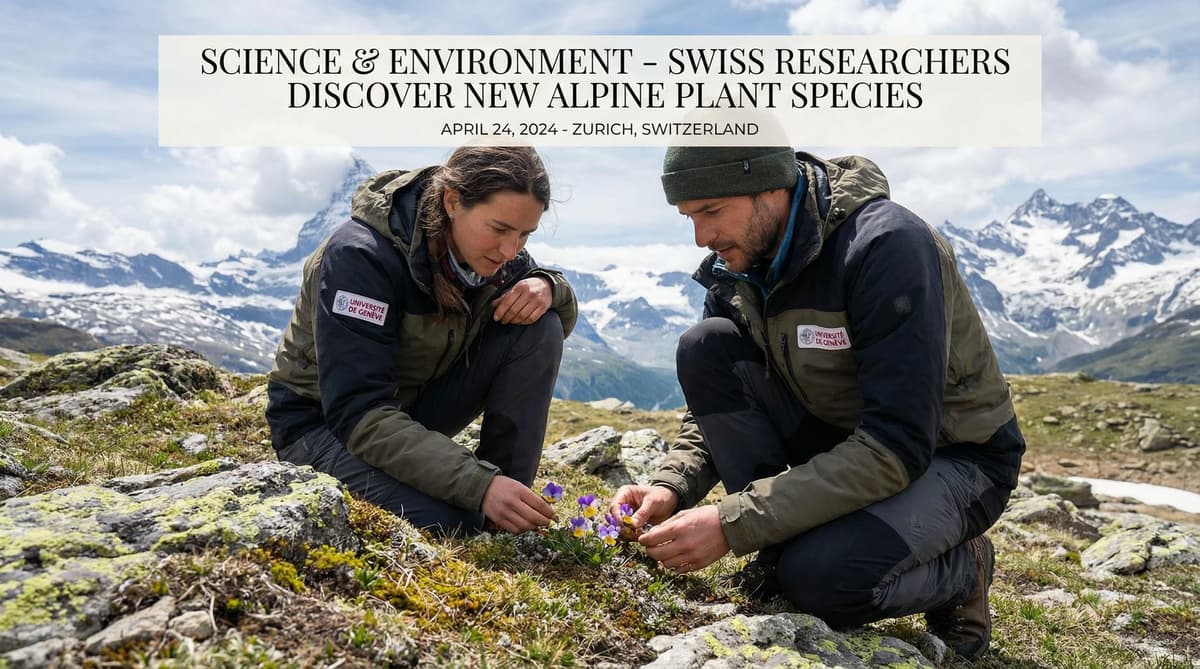
In a stunning revelation that challenges our understanding of alpine flora, researchers from the University of Geneva have confirmed the discovery of a previously unknown flowering plant species. This is not merely a scientific footnote; it is a testament to the untamed secrets still hiding within Switzerland's most rugged terrains. Hidden away in a remote, inaccessible Alpine valley, this resilient organism has thrived in silence until now.
The discovery sends a shockwave through the botanical community, proving that even in the 21st century, the Swiss Alps remain a frontier of exploration. While satellites map every inch of the globe, biological mysteries continue to evade detection in our own backyard. The University of Geneva team's findings underscore a critical reality: our catalog of life is far from complete. This new species stands as a vibrant symbol of persistence, flourishing in an environment where few other lifeforms dare to tread.
Evolutionary Marvel: Defying the Elements
This is not just a flower; it is a masterclass in survival. The newly identified species exhibits remarkable climate adaptation patterns that allow it to endure the brutal freeze-thaw cycles of the high Alps. While other vegetation retreats as temperatures fluctuate, this plant has evolved specific biological mechanisms to withstand the extremes. It is a living fortress against the elements.
The significance of this adaptation cannot be overstated. As the University of Geneva botanists highlight, the plant's existence offers a rare glimpse into the evolutionary ingenuity required to survive in resource-scarce environments. Its root systems and petal structures suggest a lineage that has battled—and conquered—the harsh alpine winds for millennia. This discovery forces a re-evaluation of how we define resilience in the plant kingdom, showcasing nature's ability to innovate under pressure.
A Critical Signal for Climate Science
The emergence of this species serves as a critical data point in the urgent conversation surrounding climate change. By studying how this specific plant has adapted to its micro-climate, scientists gain invaluable foresight into how alpine ecosystems might respond to a warming world. It acts as a biological barometer, offering clues about the future of mountain biodiversity.
However, the discovery comes with a stark warning. The very specific conditions that allowed this plant to evolve are under threat. As global temperatures rise and snowlines recede, the delicate balance of this remote valley faces unprecedented disruption. The University of Geneva's research highlights not just the richness of biodiversity, but the fragility of the niche environments that support it. We are racing against time to understand these organisms before their habitats are irrevocably altered.
Preserving Switzerland's Hidden Treasures
Switzerland now grapples with a profound responsibility. The identification of this species elevates the importance of conserving our remote alpine valleys, transforming them from mere scenic backdrops into vital sanctuaries of genetic diversity. This discovery demands a robust protection strategy, ensuring that human encroachment and climate negligence do not extinguish a life form we have only just met.
For the Swiss public and the international community alike, this is a wake-up call. The Alps are more than a playground for winter sports; they are a dynamic, living laboratory. As we move forward, the work of the University of Geneva botanists serves as a beacon, reminding us that to protect our future, we must first understand the complex, hidden web of life that sustains our mountains. The preservation of this single, small flower represents the broader fight to maintain the ecological integrity of Switzerland.