culture
Swiss National Museum Unveils Revolutionary Digital Archive
Groundbreaking digital preservation project launches, making centuries of Swiss cultural heritage accessible online through advanced 3D scanning
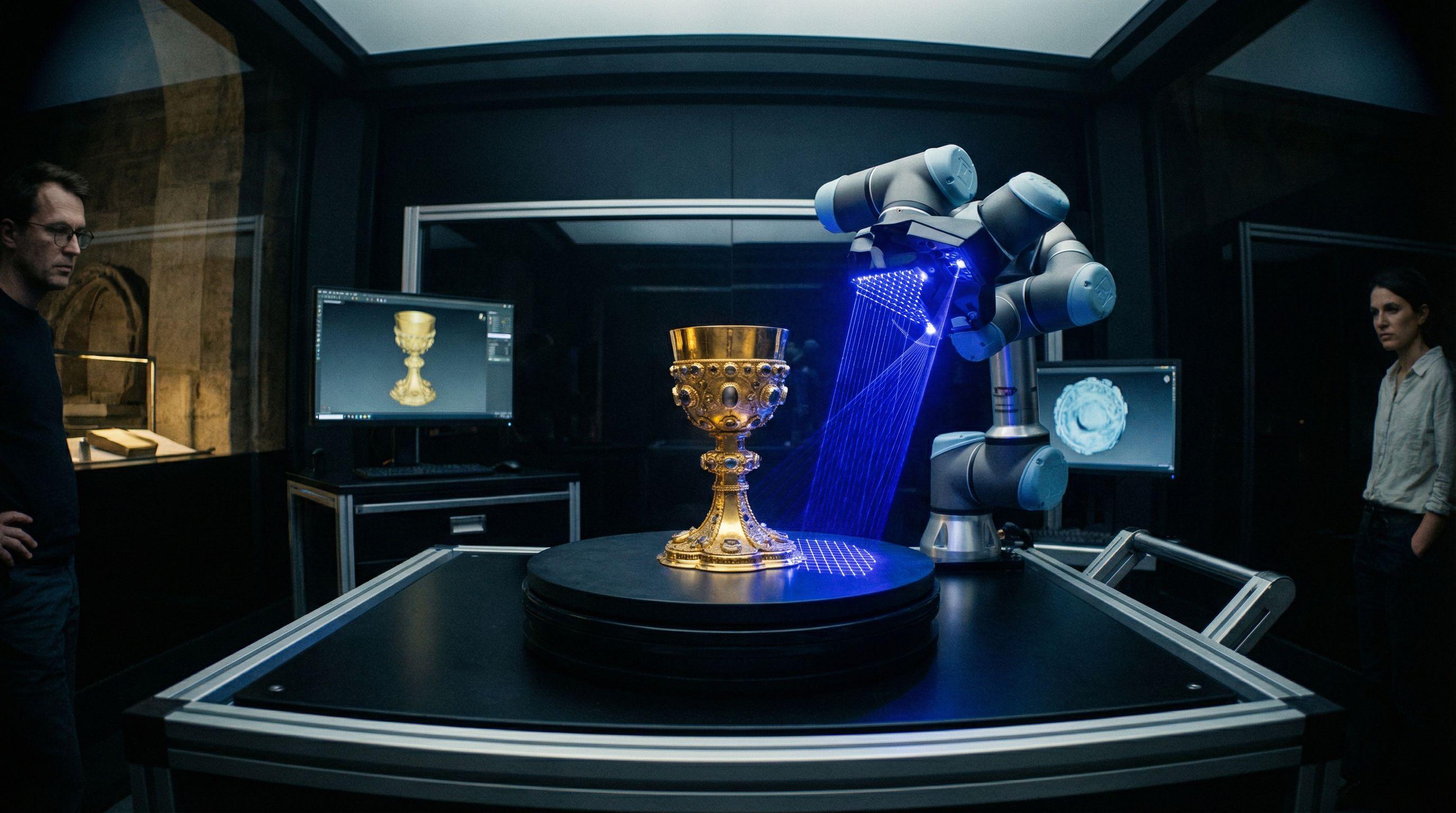
Shattering the Glass Case
A staggering 100,000 artifacts have just breached the physical walls of the Swiss National Museum. In an unprecedented move that redefines museum curation, the institution has unveiled a massive digital archive, effectively unlocking the vaults of Swiss history for the entire world. This is not merely a website update; it is a cultural revolution. While traditional museums grapple with limited exhibition space—often displaying less than 5% of their total holdings—this initiative instantly makes the invisible visible.
The scale of this release is monumental. From the intricate clockwork of 18th-century Geneva to the rugged weaponry of the Old Swiss Confederacy, the digital collection spans over 500 years of heritage. By leveraging this technology, the museum confronts the physical limitations of the past, offering an immersive experience that surpasses the static nature of a glass display case. Users can now manipulate objects in 3D space, inspecting details previously hidden from the naked eye. This bold leap forward signals that Switzerland is not just guarding its history; it is aggressively projecting it into the digital age.
Engineering the Past
Precision is the new curator. To achieve this digital feat, the museum forged a critical alliance with the technological heavyweights at ETH Zurich. The result is a scanning protocol of terrifying accuracy, capturing surface details down to 0.1 millimeters. This is where history meets high-performance engineering. The project utilizes advanced photogrammetry and laser scanning rigs that cost a significant portion of the CHF 15 million budget, ensuring that no scratch, dent, or brushstroke is lost in translation.
"The resolution is so high that researchers can analyze fabric weaves and metal corrosion without ever touching the physical object," asserts Prof. Matthias Kohler of ETH Zurich. This technological prowess allows for a level of forensic analysis previously impossible without risking damage to fragile artifacts. While other nations struggle with low-resolution digitization, Switzerland is setting a gold standard. The data generated creates 'digital twins' so precise they could theoretically be used to 3D print replicas indistinguishable from the originals. This fusion of heritage and hard science underscores Switzerland's reputation as a global hub for innovation.
Democratizing Swiss Heritage
Culture belongs to the people, not just the ticket holders. With this launch, the Swiss National Museum obliterates geographical and economic barriers to education. Access to this treasure trove is entirely free, a move that challenges the exclusive nature of the global art world. Whether in a classroom in Bern or a research lab in Tokyo, anyone with an internet connection now possesses the keys to the Swiss kingdom. The museum projects a massive 400% surge in engagement, a figure that dwarfs physical attendance records.
"We are not just preserving objects; we are immortalizing the Swiss soul in code," declares Museum Director Dr. Denise Tonella. This is a radical shift from passive observation to active engagement. Teachers can now project rotating medieval armor onto whiteboards, and designers can study the evolution of Swiss typography from their studios. By surrendering control of the viewing experience to the user, the museum empowers a new generation to interpret Swiss history on their own terms. It is a bold statement: Swiss heritage is open source.
Future-Proofing Against Decay
Time is the relentless enemy of all matter. Textiles rot, iron rusts, and wood decays. However, data is eternal. This digital archive serves as the ultimate insurance policy for Swiss identity. By capturing the current state of these 100,000 artifacts, the museum creates an immutable backup of the nation's cultural DNA. Should a catastrophic event—fire, flood, or theft—occur, the digital record remains untouched, preserving the object's form and texture for eternity.
Looking ahead, this initiative lays the groundwork for the metaverse and virtual reality tourism. As VR hardware becomes ubiquitous, users will soon be able to walk through a virtual recreation of the Château de Prangins or handle a virtual halberd from the Battle of Morgarten. Switzerland is not waiting for the future to arrive; it is building the infrastructure for it today. This archive ensures that long after the physical objects have faded, the stories, craftsmanship, and legacy of the Swiss people will remain vibrant, accessible, and indestructible.