business
Ricola Delays Swiss Factory Opening Amid US Trade Tensions
Swiss herbal candy maker Ricola postpones new Lenzburg factory launch and 100 planned jobs due to impact of high US import tariffs.
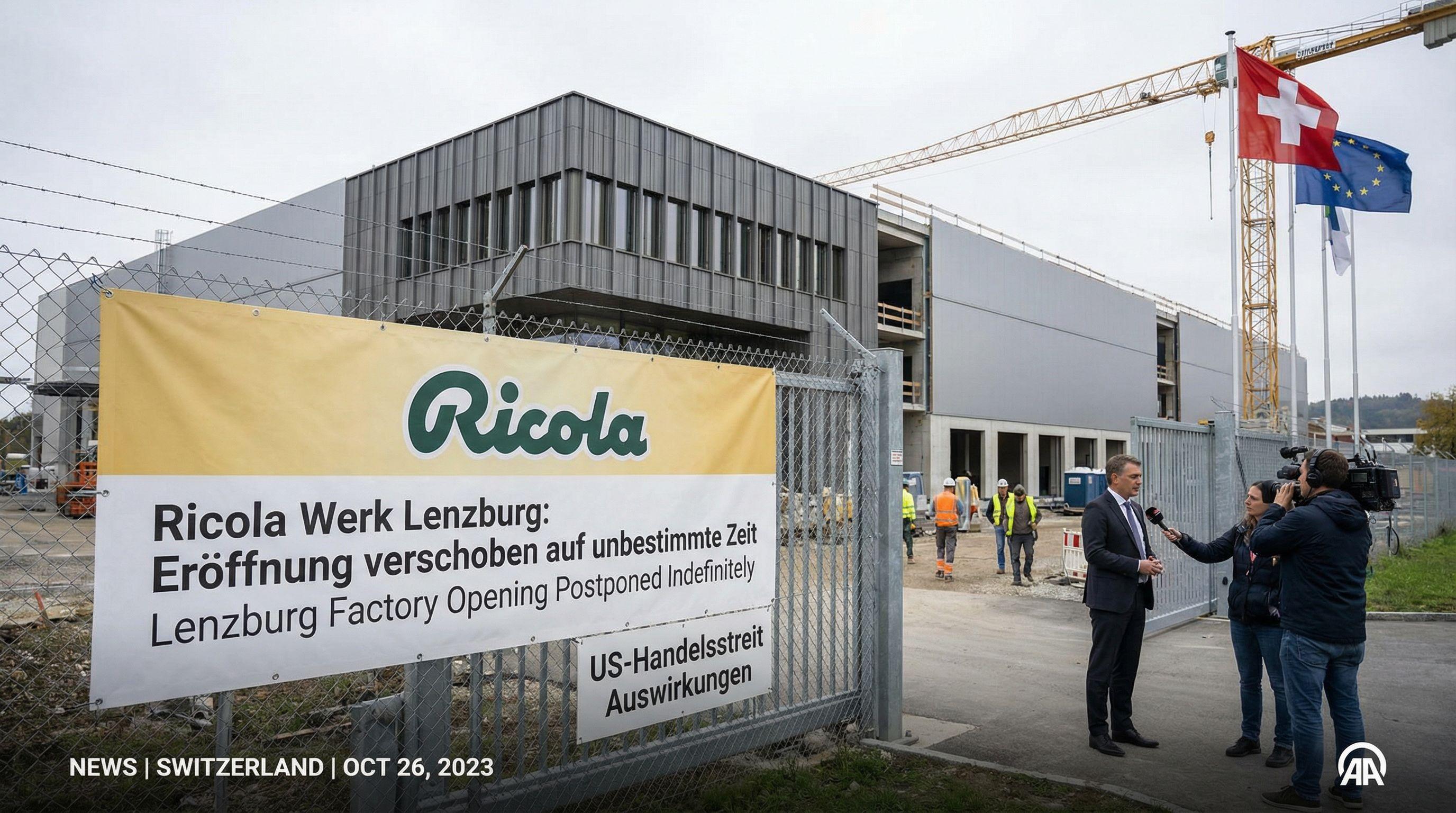
Factory Opening Delayed
Swiss herbal candy manufacturer Ricola has announced the postponement of its new production facility in Lenzburg, canton Aargau. The facility, planned for the former Hero factory location, was set to create 100 new jobs in the region. This significant development marks a cautious approach by the traditional Swiss company in response to international trade pressures.
Impact of US Trade Tensions
The decision comes amid escalating trade tensions with the United States, a crucial market that accounts for 40% of Ricola's revenue. The company, which exports 90% of its production, faces significant challenges from high US import duties on Swiss products. While the company's US operations already handle packaging, accounting for 40% of added value, the core product manufacturing remains firmly rooted in Switzerland, maintaining the brand's commitment to Swiss quality and authenticity.
Business Adaptation Strategy
In response to these challenges, Ricola CEO Thomas Meier stated, 'We are slowing down the pace a bit.' The company has announced a 10% price increase in the US market, effective December 1, as part of its adaptation strategy. Notably, Ricola remains committed to using Swiss herbs in its products, maintaining the quality standards that have defined the brand since its founding in 1930. The company's approach balances tradition with pragmatic business decisions in a challenging international trade environment.
Economic Implications
The postponement has significant economic implications, both locally and for the company. With an annual turnover of approximately CHF400 million ($507 million), Ricola's decision affects not only the 100 planned jobs but also signals broader concerns about Swiss-US trade relations. The company's strong reliance on exports (90% of production) and significant US market presence makes it particularly vulnerable to international trade policies, while highlighting the challenges faced by Swiss manufacturers in maintaining global competitiveness.