culture
Swiss National Museum Unveils Revolutionary Digital Archive System
Groundbreaking digital preservation project launches, making centuries of Swiss cultural heritage accessible online through advanced 3D scanning technology
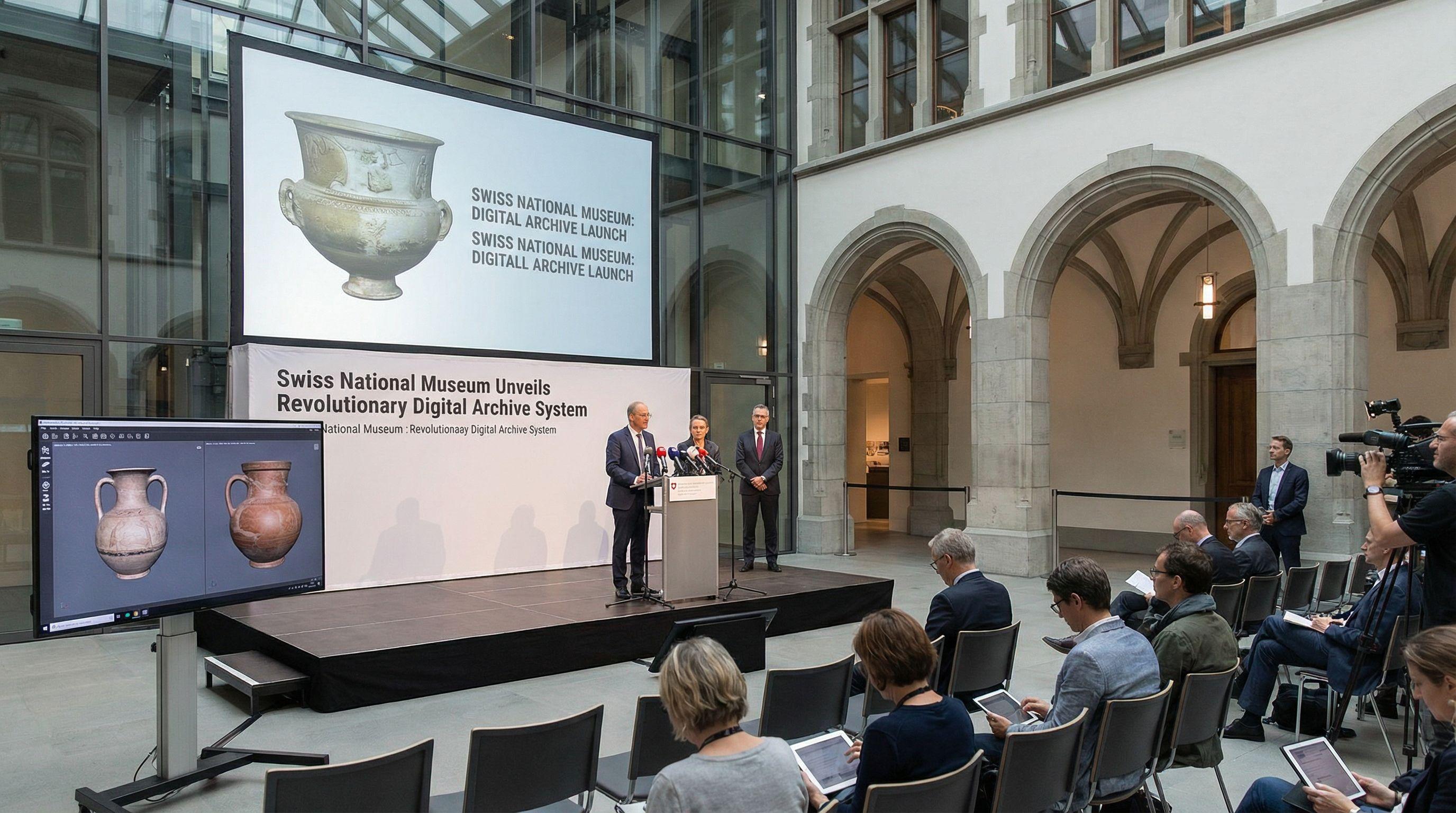
Digital Floodgates Open
Switzerland’s cultural vault has been blown wide open. In an unprecedented move to democratize heritage, a massive digital initiative is now streaming the soul of the nation directly to global screens. Spearheading this revolutionary archive is a curated collection of 24 distinct films, a collaboration with the Swiss Broadcasting Corporation (SBC) and the Play Suisse platform. This is not merely a library; it is a digital offensive designed to export Swiss culture beyond the Alps.
For the first time, these productions are aggressively targeting an international audience, with every single entry subtitled in English. The project dismantles language barriers that have long kept Swiss cinema insular. By leveraging the Play Suisse infrastructure, the initiative ensures that from now until December 24, a new piece of Swiss history is unlocked daily. This launch represents a critical pivot in how national heritage is preserved—moving from static museum displays to dynamic, on-demand digital storytelling that demands attention.
Alpine Giants Immortalized
The sheer scale of the Swiss Alps has been captured with breathtaking digital precision. Among the archive's crown jewels is a spectacular visual documentation of the Eiger, situated in the Bernese Oberland. This isn't just a view; it is a virtual ascent of one of the most famous mountains in the Swiss Alps, allowing viewers to grapple with the vertical terror of the North Face from the safety of their screens.
Furthermore, the archive immortalizes the adrenaline of the Lauberhorn downhill, described as the "mountain of fate." As a fixture of the World Cup circuit since its inception, the Lauberhorn race represents the pinnacle of Swiss sporting heritage. By digitizing these monumental natural and sporting landmarks, the project ensures that the terrifying beauty of the Bernese Oberland is preserved in high-definition perpetuity, accessible to anyone, anywhere, instantly.
The Heist of the Century
It was a crime that shook the nation, and now the details are laid bare in the digital archive. In 1997, a gang of amateur crooks executed a brazen raid on Zurich’s Fraumünster post office, making off with a staggering CHF 53 million ($54.8 million). This event, often dubbed the "robbery of the century," is a stark reminder that Swiss history is not just about pastoral landscapes and chocolate.
The inclusion of the documentary "The Great Swiss Post Office Robbery" signals a bold editorial choice to preserve the gritty, controversial chapters of the nation's past alongside its triumphs. The digital restoration of this story allows a new generation to witness how a group of amateurs managed to breach the security of one of the world's most banking-centric cities. It is a compelling, true-crime addition that adds a sharp edge to the archive's cultural offerings.
Secrets of Swiss Prosperity
How did a small, landlocked nation become an economic titan? The archive confronts this question head-on with the SRF documentary "How did the Swiss become so rich?" It dissects the factors that propelled a mountainous country into one of the wealthiest on Earth. But the archive proves that wealth isn't just measured in Francs; it's in the unique cultural fabric of the nation.
"The Swiss Miracle: Food" explores the culinary ingenuity born from a "surplus of milk and a penchant for experimentation." From the polarizing spread Cenovis to the fried cheese delight of Malakoffs, these digital records preserve the eccentricities of the Swiss palate. By juxtaposing economic dominance with culinary quirks, the system offers a holistic, unvarnished view of what it truly means to be Swiss. This is heritage preservation with flavor and financial teeth.