AI
Written with AI assistance•23 février 2026•
The head of the Swiss State Secretariat for Economic Affairs (SECO) has cautioned that Swiss companies will likely have to adapt to ongoing US tariffs, as policy yo-yoing from the US administration creates an unclear situation for exporters.
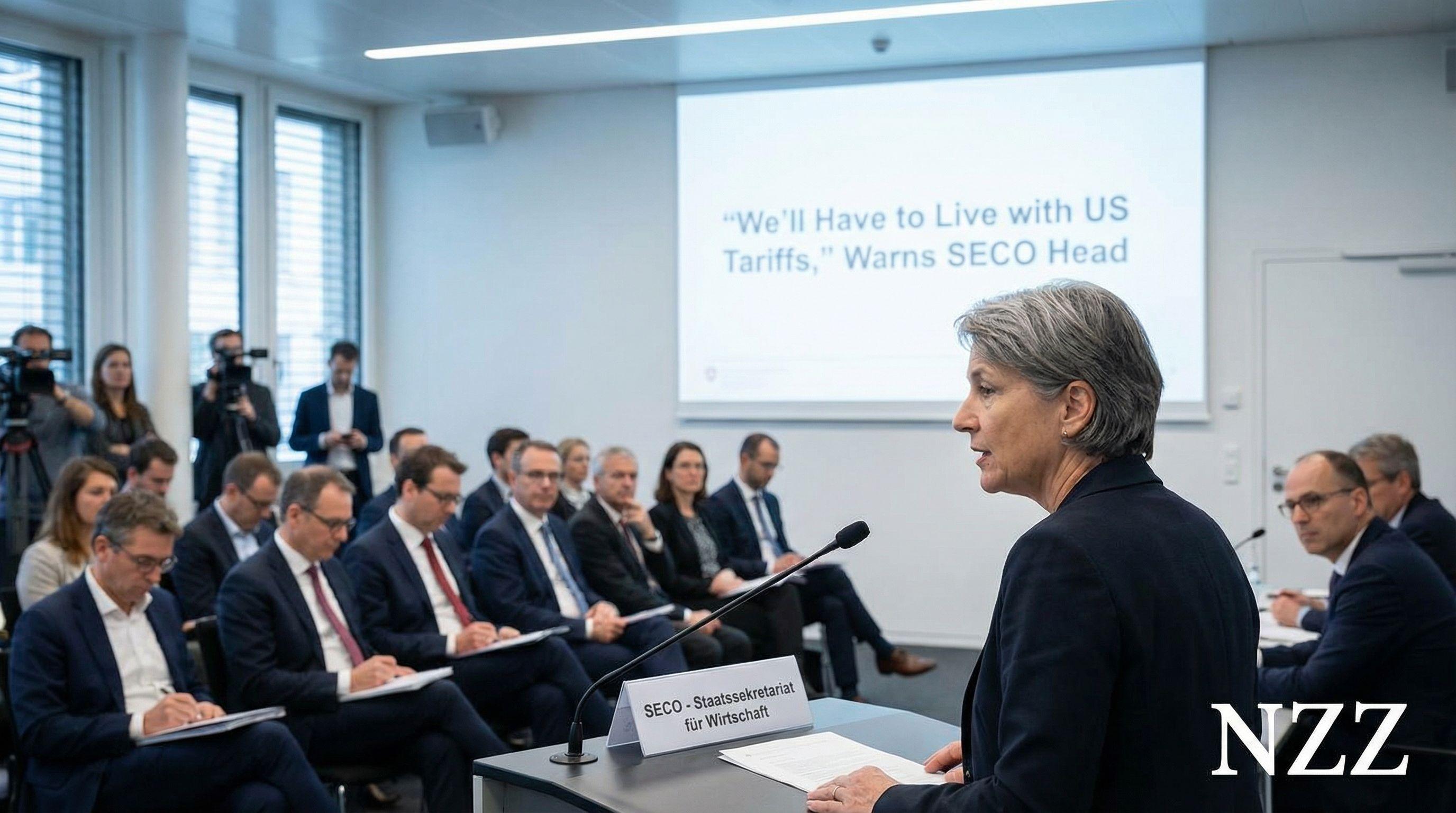
"I suspect we’ll have to live with the US tariffs."
"We’ve entered a new period."
Swiss exporters are waking up to a harsh new normal. In a blunt assessment of the transatlantic trade climate, SECO Head Helene Budliger Artieda has issued a stark warning: Swiss companies must prepare to absorb US tariffs for the long haul. "I suspect we’ll have to live with the US tariffs," she declared, signaling an end to the hope that legal challenges alone will dismantle American protectionism.
The volatility reached a fever pitch late Saturday when the US administration slammed a global 15% tariff on imports, effective for 150 days. This move, executed under Section 122 of the Trade Act of 1974, serves as a direct counter-maneuver to the US Supreme Court, which had just invalidated previous "reciprocal" duties. While Bern scrambles to analyze the fine print, the message from Washington is deafening: if one door closes, the White House will kick down another. Budliger Artieda’s admission reflects a pragmatic, albeit grim, acceptance that regardless of judicial rulings, the economic walls around the US market are hardening.
The situation for Swiss businesses has descended into a state of dizzying legal limbo. Just as the US Supreme Court struck a blow for the rule of law by declaring previous tariffs partially illegal, the administration pivoted with lightning speed. The result is a policy "yo-yo" that leaves exporters guessing from one day to the next. The initial announcement of a 10% tariff was rapidly hiked to 15% within hours, creating a fog of confusion over effective rates.
"At the moment, certain things are not yet clear," admitted Budliger Artieda, urging patience amidst the chaos. While some analysts argue that the Supreme Court's intervention proves the separation of powers is functioning, the practical reality for a Swiss watchmaker or machinery manufacturer is far less philosophical. They are trapped in a regulatory blur, unsure if the new 15% rate replaces previous levies or stacks on top of them. This unpredictability is the new enemy, arguably more damaging than the fees themselves.
The stakes could not be higher. A staggering CHF 155 billion ($200 billion) in planned Swiss investment across the Atlantic hangs in the balance. As the US remains Switzerland's largest export market, this capital is now exposed to a trade regime that Rahul Sahgal, director of the Swiss-US Chamber of Commerce, calls a "new period" of permanent friction. The days of hoping for a return to free-trade normalcy are over.
While Sahgal suggests that the practical impact might be limited to adjustments of "two or three percentage points" for most sectors, and crucial industries like pharmaceuticals and gold remain shielded by exceptions, the psychological toll is immense. We are witnessing a fundamental shift where customs duties are no longer temporary leverage but fixed operational costs. The 50% tariffs on steel and aluminum, which survived the transition from Trump to Biden and back again, serve as a haunting precedent. Swiss industry is resilient, but even the strongest balance sheets struggle against indefinite instability.
In the face of this economic headwinds, Bern is mobilizing. A high-level parliamentary delegation is jetting to the United States this week for a critical five-day mission. Their objective is clear: cut through the noise and secure legal certainty for Swiss businesses. The Economics Ministry maintains that its goal is a binding agreement that protects Swiss interests, regardless of the political storms raging in Washington.
However, the path forward is fraught with difficulty. The US administration has proven willing to utilize every tool in its arsenal—from Section 232 national security claims to Section 301 unfair practice accusations—to maintain its protectionist stance. As Switzerland navigates this "gold bar diplomacy," the government's strategy is one of calm persistence. They are analyzing the fallout "on an ongoing basis," but as the delegation lands on American soil, they carry the weight of an entire economy looking for answers that Washington may not be ready to give.