Business
Skyguide to Cut Up to 220 Jobs by 2027 Amid Restructuring
Swiss air traffic controller Skyguide has initiated a consultation process to reduce its workforce by up to 220 positions by the end of 2027, citing rising costs, efficiency targets, and complex internal structures. The cuts will primarily affect the Geneva and Dübendorf sites.
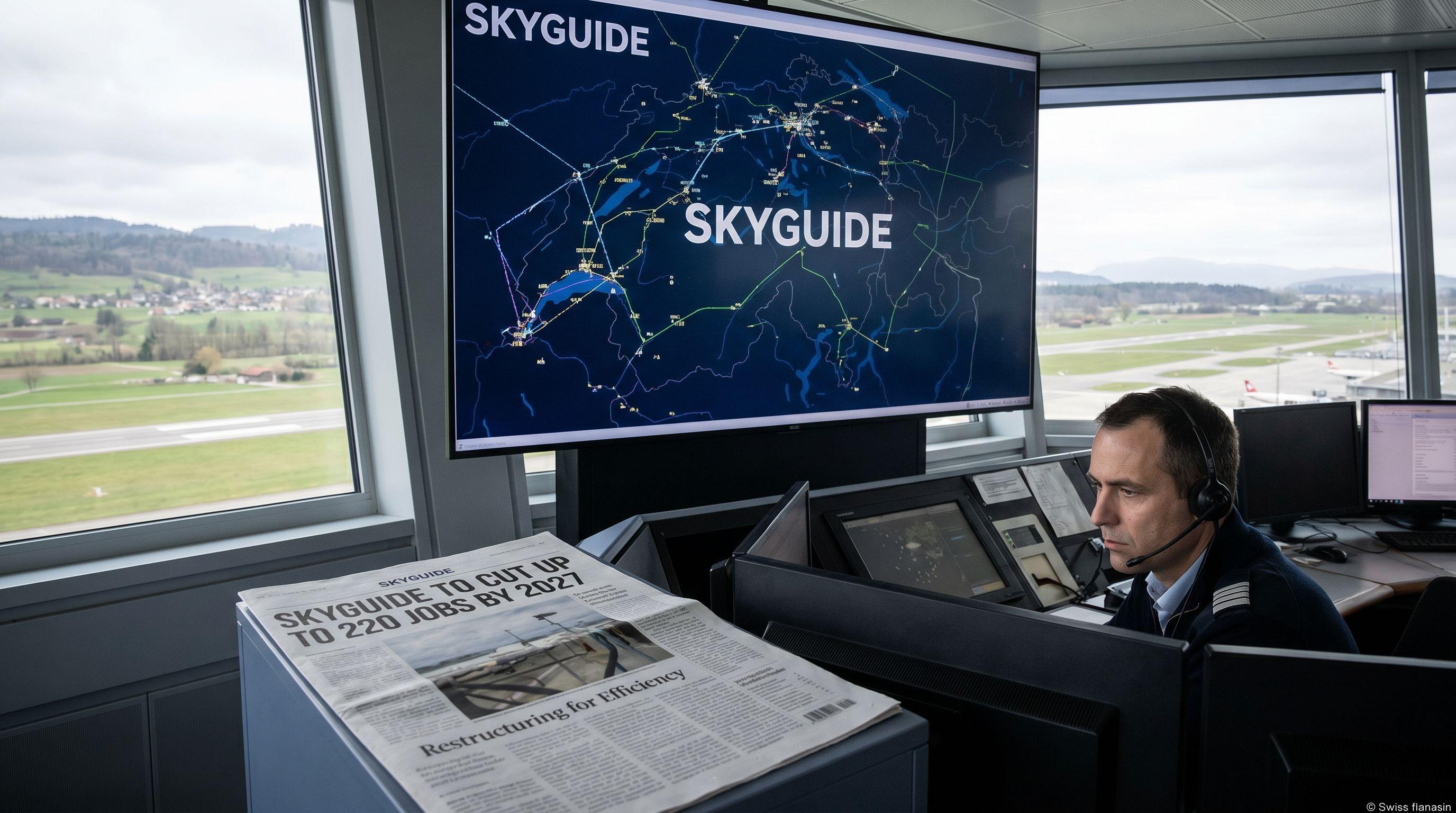
Skyguide Triggers Radical Workforce Cull
A staggering 220 jobs are on the chopping block as Skyguide, the backbone of Swiss aviation, grapples with a fiscal crisis that demands immediate bloodletting. This is not a drill; it is a calculated survival maneuver. The company announced a two-stage restructuring plan that will see 90 positions vanish by November 2026, followed by another 130 by mid-2027. Centered on the Geneva-Cointrin and Dübendorf hubs, the move signals a desperate pivot toward efficiency. While the aviation industry recovers globally, Skyguide finds itself trapped in a web of complex internal structures and rising costs that threaten its very foundation. The consultation period is now live, leaving hundreds of employees in a state of high-stakes uncertainty until June 18. This aggressive downsizing is the direct result of a 'very worrying' financial outlook first flagged by federal auditors, forcing the company to confront its bloated administrative reality.
Financial Turbulence Hits the Balance Sheet
Personnel costs are soaring to an unsustainable CHF 382 million for 2025, devouring more than 66% of the company's total CHF 576 million expenditure. These numbers paint a grim picture of a firm struggling to maintain altitude. Skyguide confronts a lethal combination of uncertain revenues and rigid European efficiency targets that leave no room for error. The financial rot isn't new; federal auditors sounded the alarm a year ago, labeling the situation 'very worrying.' By slashing 220 roles, the company aims to strip away layers of complexity that have hindered its agility. This is a brutal correction aimed at ensuring long-term viability. Every franc is being scrutinized as the organization attempts to stabilize its financial flight path amidst a landscape of rising systems costs and shifting regulatory demands.
Surgical Precision in Operational Safety
Safety remains non-negotiable, even as the axe falls on the administrative ranks. In a strategic move to protect the core mission, Skyguide has explicitly exempted active operational air traffic controllers from the cuts. This surgical approach ensures that while the back office shrinks, the eyes on the sky remain sharp. 'Business continuity will be fully assured,' the company declares, a bold statement intended to calm both the public and the airline partners who rely on Swiss precision. The restructuring focuses on reducing 'recourse to external personnel' and leveraging early retirements to soften the blow. However, the tension between cutting costs and maintaining world-class safety standards is palpable. Skyguide is betting that a leaner, more focused structure will actually enhance its ability to fulfill its core mandate without compromising the safety of the millions who traverse Swiss airspace annually.
Navigating a Turbulent Future
Switzerland stands at a crossroads as its premier air navigation provider undergoes this painful transformation. The implications stretch far beyond the 220 families affected; this is a litmus test for the resilience of Swiss infrastructure in a post-pandemic economy. If Skyguide fails to achieve its efficiency targets by 2027, the federal government may be forced to intervene further, potentially altering the landscape of Swiss aviation forever. The company is currently locked in intense negotiations with social partners to minimize forced redundancies through internal transfers and limited recruitment. This period of 'creative destruction' is intended to preserve key skills while shedding the weight of the past. As the June 18 consultation deadline looms, the industry watches closely. The success of this restructuring will determine whether Skyguide can reclaim its status as a model of Swiss efficiency or if it will remain a cautionary tale of fiscal mismanagement in the clouds.