EU-Switzerland
New EU Rules on Cross-Border Unemployment Benefits Could Be Costly for Switzerland
Switzerland faces potentially significant financial repercussions as EU ambassadors back a plan to shift responsibility for unemployment benefits from a cross-border worker’s country of residence to the country of last employment.
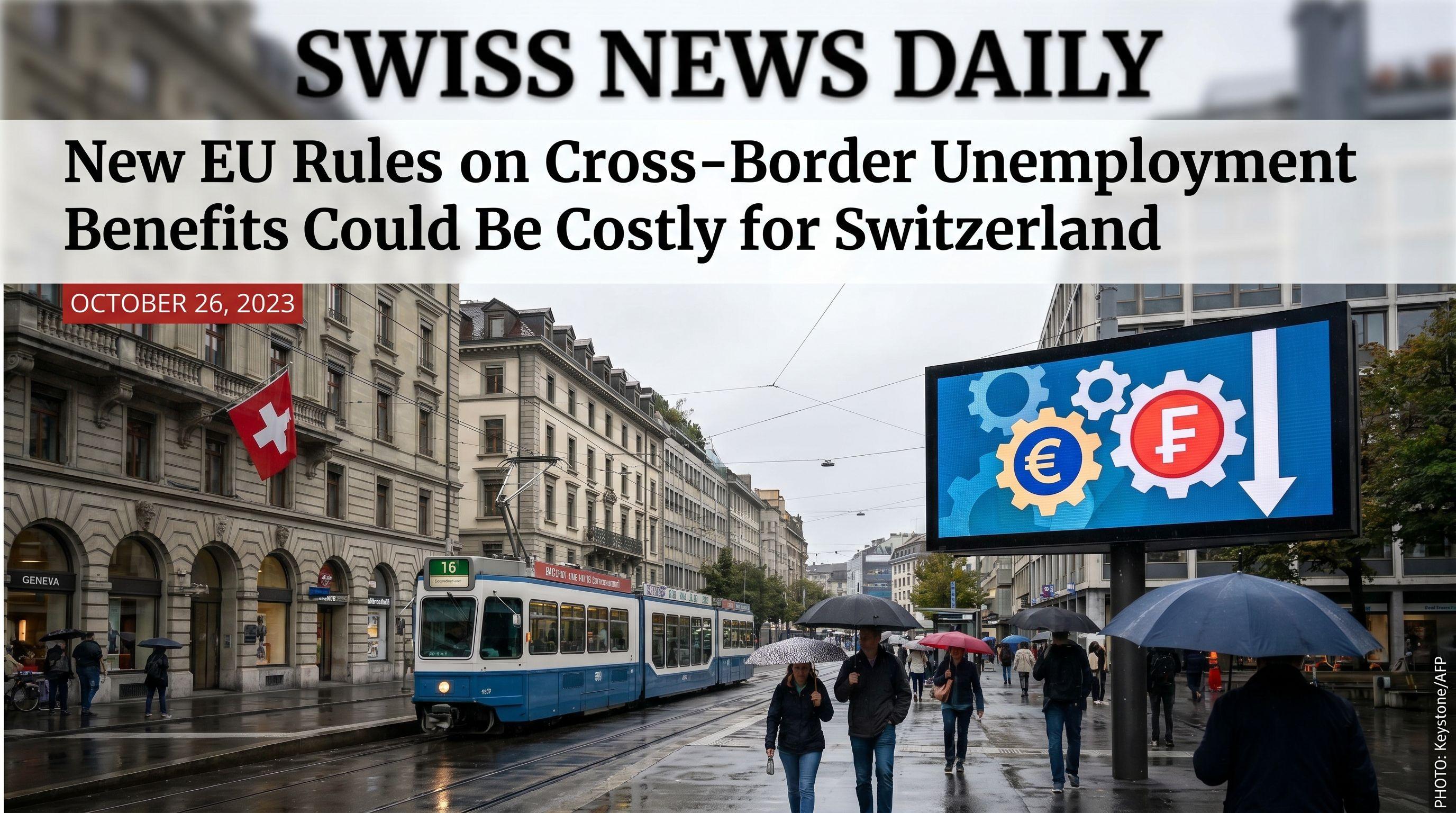
Switzerland Braces for a Multi-Million Franc Policy Shock
Switzerland confronts a seismic shift in its economic relationship with Brussels as EU ambassadors greenlight a radical overhaul of cross-border unemployment rules. For decades, the 'country of residence' principle protected the Swiss treasury, but that shield is about to shatter. The proposed reform mandates that the country of last employment—not the worker's home country—must shoulder the full burden of unemployment benefits. This isn't just a minor administrative tweak; it is a fundamental redistribution of financial liability that places Switzerland directly in the crosshairs. With 21 EU member states already signaling their support, the momentum behind this change is becoming an unstoppable force. The Swiss Confederation now faces an urgent dilemma: adapt to the new European consensus or risk a diplomatic showdown over the free movement of persons. As the European Parliament prepares for a final vote, the clock is ticking for Swiss negotiators to assess the damage of a policy that could redefine the cost of foreign labor overnight.
The 283 Million Franc Status Quo is Crumbling
A staggering CHF 283.3 million flowed out of Swiss coffers last year to compensate neighboring nations—and that was considered the 'cheap' option. Under the current system established in 2004, Switzerland pays France, Germany, Austria, and Italy for only three to five months of benefits when a cross-border worker loses their job. However, the new EU proposal threatens to blow this arrangement apart. If Switzerland is forced to pay benefits directly according to its own national standards, the financial exposure will soar. Swiss unemployment insurance is notoriously generous, offering up to 80% of previous salary for up to two years. Compare a five-month reimbursement to a twenty-four-month full liability, and the math becomes terrifying for federal accountants. This transition would effectively end the era of limited liability, forcing Switzerland to fully internalize the social costs of its massive cross-border workforce. The economic buffer that has protected the Swiss social security fund for twenty years is being dismantled, piece by piece.
Generous Swiss Payouts Meet 400,000 Border Crossers
More than 400,000 cross-border workers currently power the Swiss economy, a demographic surge that now represents a massive potential liability. As of late 2025, federal data confirms that the reliance on neighboring labor has never been higher, particularly in hubs like Geneva, Basel, and Ticino. Under the new rules, any worker with at least 22 weeks of employment history would be eligible for Swiss-level benefits. For a high-earner with a family, this payout can reach a whopping CHF 118,560 per year. While these workers pay into the Swiss insurance fund, the sheer duration of potential benefits—up to two years—far outweighs the contributions of a short-term employee. The contrast is stark: Switzerland could find itself paying six-figure sums to individuals living in regions where the cost of living is significantly lower, creating a 'benefit arbitrage' that critics fear will drain the system. The sheer scale of the 400,000-strong workforce means that even a minor uptick in regional unemployment could result in billions of francs in additional state spending.
Sovereignty vs. Integration: The High Stakes of Consent
The State Secretariat for Economic Affairs (SECO) has drawn a line in the sand: 'Any change would require Switzerland’s explicit consent.' This statement underscores the high-stakes diplomatic poker game currently unfolding between Bern and Brussels. While the EU moves toward integration, Switzerland clings to its sovereign right to manage its social security funds. However, the pressure is mounting. As part of the broader framework governing the free movement of persons, rejecting these rules could trigger 'guillotine' clauses or stall other vital bilateral negotiations. Switzerland grapples with a difficult choice: accept a costly financial burden to maintain market access, or defend its treasury and face potential retaliation from its largest trading partner. The implications extend far beyond the labor market, touching on the very heart of Swiss-EU relations. As the European Parliament moves toward formal approval, Switzerland must decide if the price of 'freedom of movement' has finally become too high to pay. The coming months will determine whether Switzerland remains an outlier or is forced to fall in line with the European social model.