TikTok-Inspired School Threats Strain Swiss Police Resources
Swiss police forces face increasing pressure from social media-inspired school shooting threats, prompting enhanced security measures across multiple cantons.
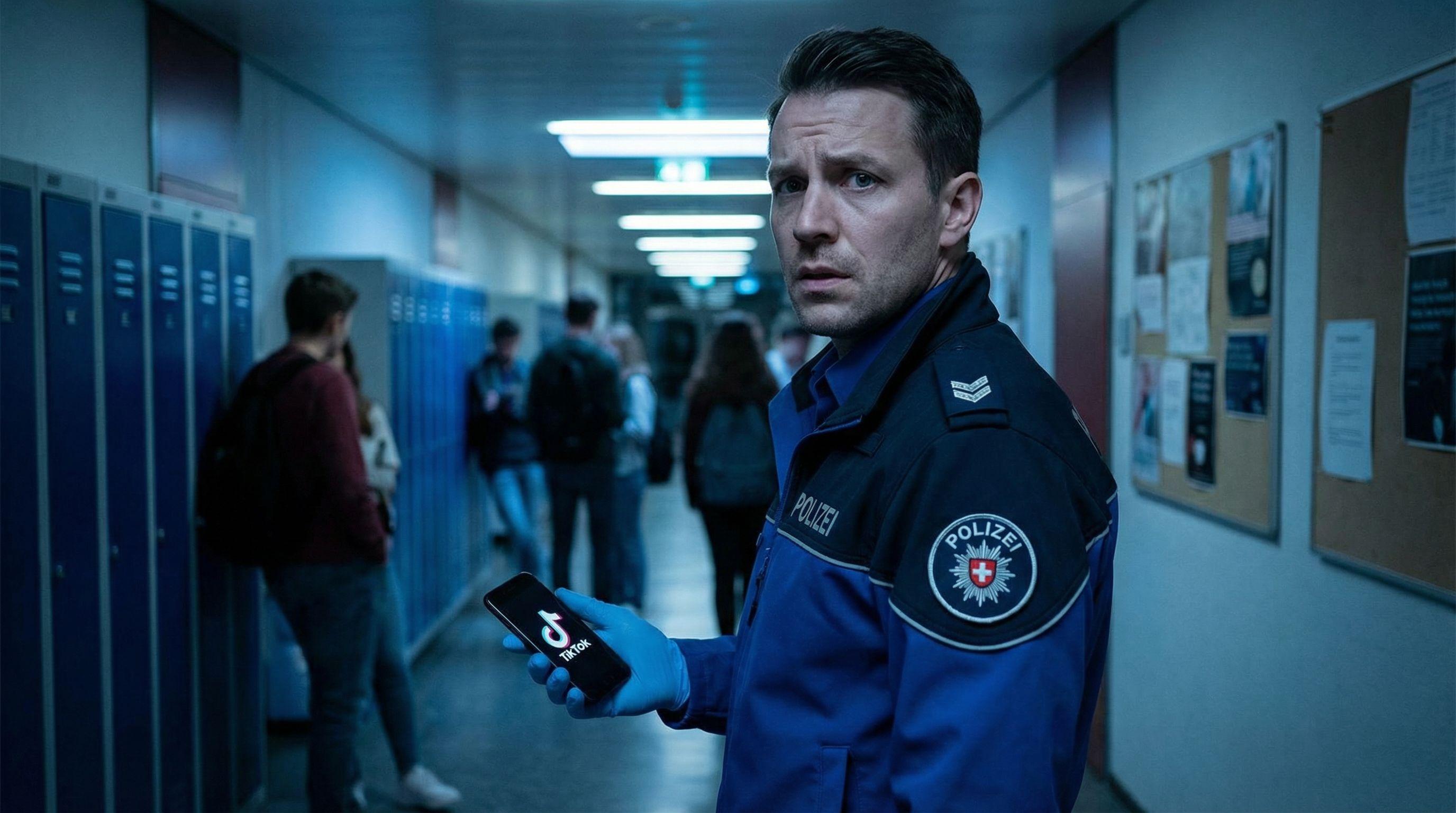

"The problem for the police is that they must take any threat seriously."
"Teachers discuss social media with their students and that parents take time to think about what their children are viewing."
Swiss law enforcement is currently grappling with a formidable, invisible enemy: a viral social media dare. Police forces across multiple cantons are confronting a surge in school shooting threats, a development that is draining critical resources and demanding immediate attention. The situation has escalated beyond mere playground pranks; authorities are forced to treat every single digital threat as a potential lethal reality, regardless of its origin.
The strain is palpable. In Muttenz, Canton Basel-Landschaft, police were mobilized after a threat appeared in a school toilet roughly one month ago. While authorities determined there was no immediate need to close the school, the investigation required significant manpower to identify the culprit. This scenario is repeating itself across the region, forcing police to divert attention from other duties to investigate what are often baseless, yet terror-inducing, social media challenges. The mandate is clear: they cannot afford to be wrong even once, meaning every TikTok-inspired post necessitates a full-scale risk assessment.
A dangerous digital contagion is bleeding into the physical reality of Swiss schools. The recent wave of panic is directly linked to a specific dare circulating on TikTok, encouraging students to post threats of violence. This phenomenon highlights a critical disconnect: students view these actions as fleeting digital interactions, while the consequences are severe and real-world.
The mechanics of the threat are simple but devastating. In the Muttenz case, the threat was physical—scrawled in a restroom—but the inspiration was unmistakably algorithmic. Experts are sounding the alarm, urging a proactive approach. One social media expert emphasizes that the solution lies in dialogue, calling on teachers to aggressively discuss the implications of social media usage with students. Simultaneously, parents are being challenged to monitor what their children are consuming online. The barrier between a 'viral challenge' and a criminal act has vanished, leaving schools to manage the fallout of a global algorithm influencing local behavior.
Schools are striking back with severe disciplinary measures. The era of a 'slap on the wrist' for threats of violence is over. In Muttenz, the student identified as the author of the toilet threat was immediately expelled. While the headmaster has indicated the student will eventually return, the message sent to the student body is undeniable: threaten the safety of the school, and you lose your place in it.
However, in other cases, the consequences are permanent. Another student at a different school in the region has been told he must leave permanently after issuing a similar school shooting threat. This disparity in punishment highlights the complex challenge administrators face: balancing the safety of the collective against the education of the individual. Fear remains a potent force among parents and students, lingering long after the police have declared a site safe. The psychological toll of these 'pranks' is creating an atmosphere of anxiety that disrupts the very educational environment these institutions strive to protect.
The patience of the Swiss public is wearing thin. As these digital threats disrupt education and drain police coffers, a significant cultural shift is underway regarding technology in schools. A poll conducted in late December 2024 reveals widespread support for a total ban on mobile phones in schools. This is no longer a fringe opinion; it is becoming a mainstream demand from a populace tired of social media dictating school security protocols.
The correlation is difficult to ignore. As long as smartphones serve as the primary conduit for these toxic trends, schools remain vulnerable. The support for bans suggests that Swiss parents and citizens are prioritizing safety and focus over digital connectivity. If this trend of TikTok-inspired chaos continues, we can expect this public sentiment to harden into legislative action, potentially reshaping the Swiss classroom environment permanently. The message from the public is loud and clear: disconnect the devices to reconnect with safety.