Social Issues
Switzerland Launches Nationwide Domestic Violence Hotline '142'
Switzerland has launched its first national 24/7 hotline for victims of domestic violence, accessible by dialing '142'. The new service aims to provide immediate, low-barrier support and advice for those affected by abuse.
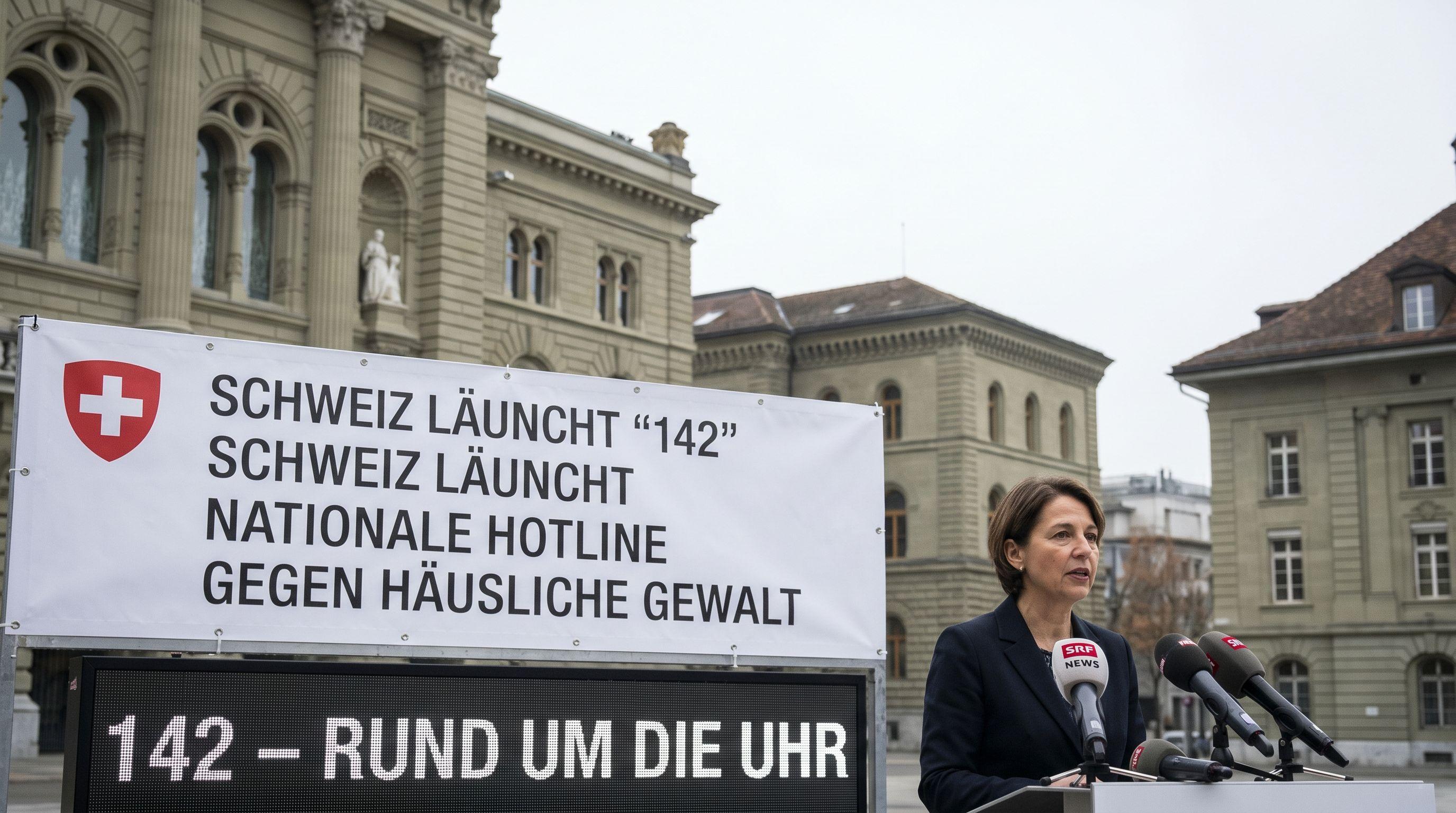
Switzerland Breaks the Silence with 142
A single three-digit number now stands between victims and safety. On May 1st, Switzerland officially activated '142', the nation's first-ever 24/7 hotline dedicated exclusively to victims of domestic and sexual violence. This is not just a logistical update; it is a bold declaration by the Federal Council that the era of fragmented, localized support is over. For the first time in history, any person across the 26 cantons can access immediate, professional help without navigating a labyrinth of regional phone books. The Federal Council describes this launch as a 'key step' in a national strategy to dismantle the barriers of fear and bureaucracy that often prevent victims from seeking help. This toll-free lifeline operates around the clock, ensuring that whether a crisis erupts in the heart of Zurich or a remote village in Graubünden, expert intervention is only seconds away. By centralizing this service, Switzerland is finally matching its world-class infrastructure with a world-class safety net for its most vulnerable citizens.
Domestic Violence Surges Across the Confederation
The numbers are staggering: Swiss police registered 22,066 domestic violence offences in 2025 alone. This represents a sharp 4.4 percent increase over the previous year, signaling a crisis that is not only persisting but intensifying. Even more chilling is the fact that over 50 percent of all homicides in Switzerland now occur within domestic settings. These are not just statistics; they are a wake-up call for a nation that prides itself on safety and order. Women bear the brunt of this brutality, comprising roughly 70 percent of all victims. While these figures are alarming, experts warn they are merely the tip of the iceberg. The 'dark figure' of unreported cases remains a significant concern, as many victims suffer in silence due to social stigma or fear of retaliation. The activation of the 142 hotline arrives at a critical juncture where the state can no longer ignore the rising tide of violence occurring behind closed doors. This surge in recorded crimes demands an equally aggressive and unified response from the federal government.
Unified Front Bridges the Cantonal Divide
Switzerland’s federalist structure often complicates national initiatives, but the 142 hotline successfully bridges the cantonal divide. The system is a masterpiece of coordination: during peak hours from 8 am to 6 pm, calls are automatically routed to specialists within the caller's specific canton of residence. This ensures that the advice given is relevant to local laws and available regional shelters. However, the violence does not punch a clock. Outside these hours, an inter-cantonal line takes over, staffed by a dedicated team of trained respondents who provide seamless coverage throughout the night. This level of inter-cantonal cooperation is unprecedented in the social services sector. It eliminates the 'postcode lottery' where the quality of support depended on which canton a victim lived in. By standardizing the response, Switzerland ensures that a victim in Geneva receives the same high-caliber professional support as one in Appenzell. This unified front is essential for a country where mobility between cantons is high, but the need for consistent protection is absolute.
Confronting the Hidden Crisis Behind Closed Doors
The launch of 142 is more than a technical achievement; it is a cultural turning point for Switzerland. For too long, domestic strife was viewed as a private matter, but the sheer volume of cases—surpassing 22,000 annually—has forced a public reckoning. This hotline provides an essential escape hatch for those trapped in cycles of abuse. Beyond the immediate telephone support, the service acts as a gateway to a broader network of resources, including Victim Support Switzerland, specialized counseling centers for sexual violence, and the Umbrella Group of Women’s Shelters. The goal is clear: to move from reactive policing to proactive protection. As the hotline goes live, the focus shifts to ensuring every resident knows these three digits. The success of 142 will be measured not just by the number of calls it receives, but by its ability to bring the 'hidden' cases into the light and provide a path to justice. Switzerland has finally built the infrastructure; now, the nation must ensure that no victim ever feels they have to face the darkness alone.