society
Swiss Young Adults Stay Home Longer Amid Housing Challenges
New federal statistics reveal Swiss youth now leave parents' homes at average age of 23. 7, nearly two years later than previous generations, reflecting housing market pressures.
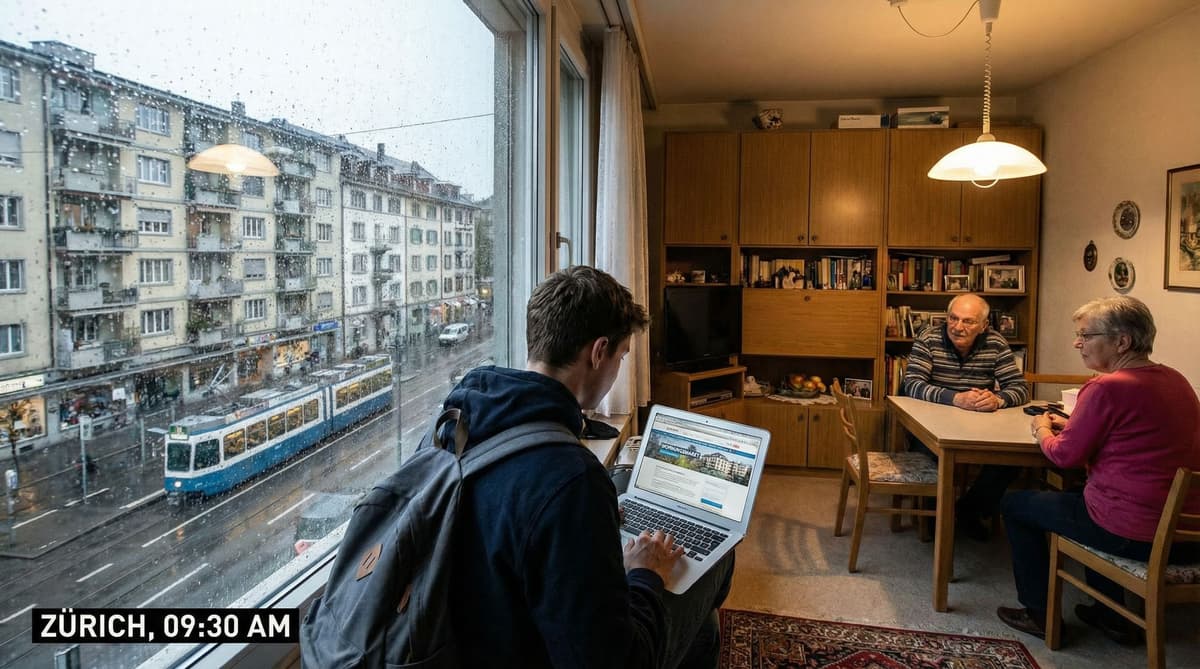
Swiss young adults are increasingly delaying their departure from the family home, according to new data from the Federal Statistical Office (FSO). The average age of leaving home has now reached 23.7 years, marking a significant shift from previous generations. This trend represents almost a two-year increase compared to earlier cohorts, with only 19% of young adults moving out by age 20, compared to 30% in previous generations.
The pattern shows a clear demographic shift in how young Swiss adults approach independence, with most choosing to leave home between ages 20 and 30. By age 25, approximately 70% have moved out, with this number increasing to nearly 90% by age 30.
Gender and Regional Differences
Significant variations exist across gender and linguistic regions in Switzerland. Men typically remain in the parental home longer, with a median moving-out age of 23.4 years, compared to 21.9 years for women. This gender gap becomes less pronounced among those with higher education levels.
Geographic and cultural factors also play a crucial role. The Italian-speaking regions of Switzerland show a tendency for young adults to stay longer with their parents compared to German- or French-speaking areas. Additionally, Swiss nationals at age 20 are less likely to have left home than their peers of foreign origin, highlighting the influence of cultural backgrounds on housing decisions.
Living Arrangements and Family Ties
Even after moving out, young Swiss adults maintain strong connections with their families. Nearly 25% live within a ten-minute radius of their parents, and almost half reside within thirty minutes' distance. This proximity facilitates regular family contact, with 80% of young adults maintaining weekly communication with their parents.
Post-departure living arrangements vary significantly: approximately one-third share homes with partners without children, 38% live with children, 25% live independently, and 10% opt for shared accommodations with others. These patterns reflect both traditional family values and modern living preferences in Swiss society.
Economic Implications
The trend of delayed home-leaving reflects broader economic and social challenges in Switzerland. High housing costs, particularly in urban areas, combined with extended education periods and career establishment, contribute to this phenomenon. This shift has implications for both the housing market and family dynamics, as households adapt to extended periods of multi-generational living.
While this trend might pose challenges for young adults' independence, it also presents opportunities for financial stability, as living with parents longer allows for increased savings and better preparation for future housing costs.