Economy
Swiss Wage Gap Widens as Top Earners' Incomes Rise, Union Federation Reports
A new study by the Swiss Trade Union Federation reveals a growing disparity in wages over the last decade. While top earners' incomes have increased, those on lower wages have fallen behind, as the report blames stagnating average wages despite rising productivity and highlights a persistent gender pay gap.
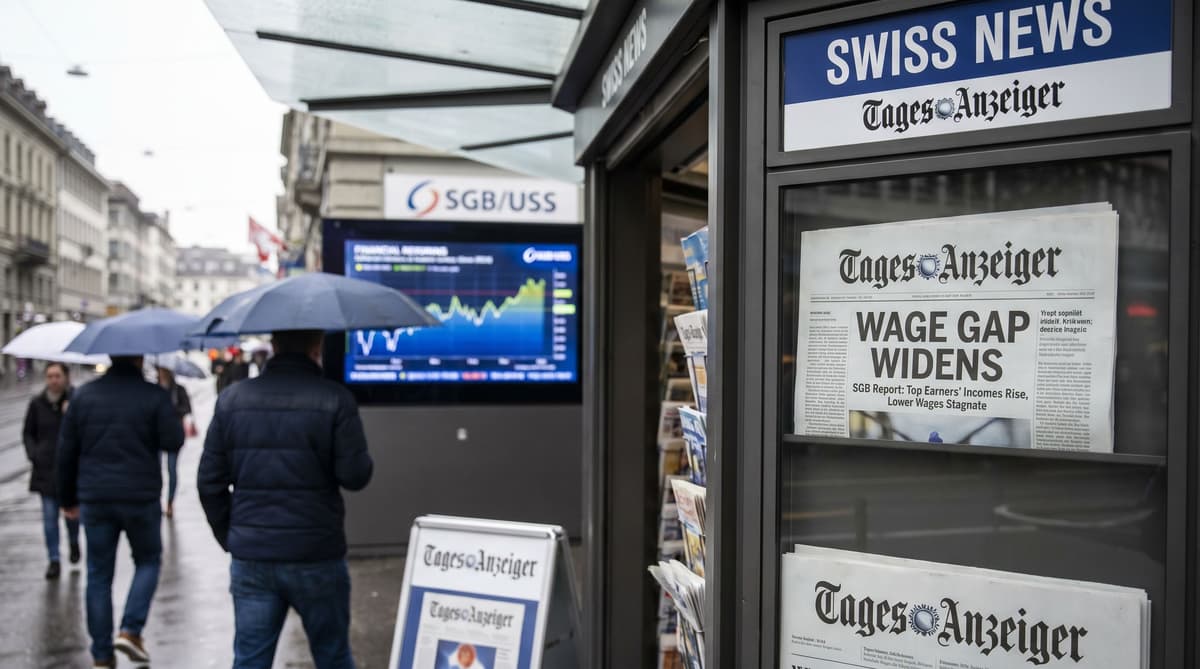
Switzerland’s reputation as a bastion of shared prosperity is fracturing. A staggering ten-year trend reveals that the Swiss wage gap is widening at an alarming rate, according to the latest report from the Swiss Trade Union Federation (SGB). While the nation's top earners enjoy soaring incomes, those at the bottom of the ladder are watching their purchasing power plummet. This is not a temporary fluctuation; it is a systemic divergence that threatens the social fabric of the Confederation. The data confirms a brutal reality: the wealthy are pulling away while the working class is being pushed down. Even as the median annual salary rose to a record CHF 87,000 in 2025, this figure masks a deepening inequality that leaves the most vulnerable Swiss residents struggling to keep pace with the cost of living in one of the world’s most expensive nations.
Productivity Surges While Paychecks Stagnate
Swiss workers are producing more than ever, yet they are seeing almost none of the rewards. Between 2016 and 2025, productivity growth surged across the country, but the SGB reports that the resulting financial gains have been funneled almost exclusively to employers and shareholders. This is a critical failure of the traditional Swiss labor contract. In many sectors, employees have not even received basic inflation-linked pay rises, effectively resulting in a real-term pay cut during a period of economic expansion. The SGB is sounding the alarm: the fruits of Swiss labor are being harvested by the elite, leaving the average worker with stagnating wages. This disconnect between hard work and fair compensation is reaching a breaking point, as the 'productivity bonus' remains locked in corporate boardrooms rather than appearing in monthly bank transfers.
Gender Pay Gap Remains a Glaring Injustice
A shocking 50% of all women in Switzerland earn less than CHF 5,000 per month. This statistic stands in stark, painful contrast to the median monthly income for men, which sits significantly higher at CHF 7,000. Despite decades of political rhetoric regarding equality, the gender pay gap remains a persistent and structural stain on the Swiss economy. The SGB analysis highlights that women are disproportionately represented in lower-wage sectors and are the first to feel the impact of wage stagnation. This CHF 2,000 monthly chasm between the genders is more than just a number; it represents a massive lifetime wealth deficit for half of the population. As the cost of living continues to climb, this disparity is no longer just a social issue—it is an economic crisis for Swiss families who rely on female breadwinners.
The Disposable Income Squeeze: Taxes and Premiums
The middle class is being hollowed out by a 'double squeeze' of rising costs and shifting tax burdens. While gross salaries may appear stable on paper, disposable income is being decimated by a sharp rise in health insurance premiums and the impact of cantonal tax cuts that favor the wealthy. The SGB analysis makes it clear: the lower and middle classes are bearing the brunt of these fiscal shifts. As health premiums soar, they consume an ever-larger portion of the household budget, leaving families with less to spend on essentials. This financial pressure is compounded by tax policies that have failed to provide relief to those who need it most. Looking ahead, if Swiss wages do not see a dramatic and immediate correction, the nation faces a future of reduced domestic consumption and heightened social tension. The time for incremental change has passed; Switzerland must now confront the reality of its widening wealth gap before the damage becomes irreversible.