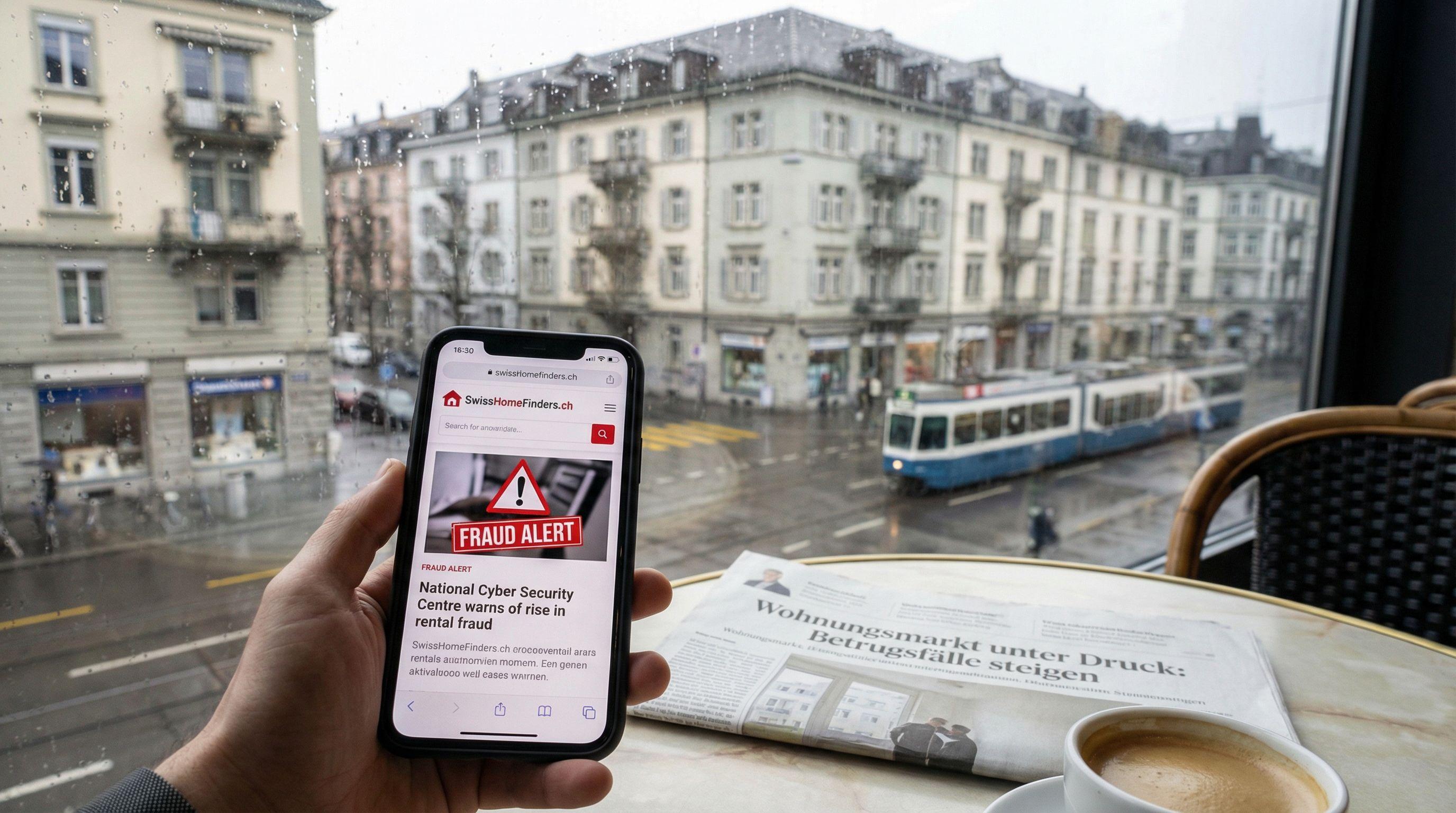
The National Cyber Security Centre reports an increase in rental fraud cases as scammers exploit Switzerland's tight housing market, particularly in regions with vacancy rates below 1%.
"Scammers have noticed and are cashing in on the desperation experienced by some seeking a place to live."
"Necessary payments are often described as advance rental payments, viewing fees or fees to send keys."
Switzerland is grappling with a housing crisis that has now become a breeding ground for cybercrime. With vacancy rates plummeting below 1% across the nation, the desperation to secure a roof over one's head is palpable. In the ultra-competitive cantons of Zug and Geneva, the situation is even more critical, with availability crashing below 0.5%. This scarcity has created a perfect storm for fraudsters, who are ruthlessly capitalizing on the panic of house-hunters. The National Cyber Security Centre (NCSC) reports a disturbing surge in rental scams, signaling that digital predators are actively weaponizing the Swiss housing shortage.
The numbers paint a grim picture of this escalating threat. In 2024 alone, authorities recorded 270 confirmed cases of fake rental advertisements. The trend shows no signs of slowing; the first few weeks of 2025 have already witnessed 32 new reports. These are not merely statistics—they represent individuals and families pushed to the brink by a tight market, only to be exploited by sophisticated criminal networks. As demand for affordable housing in major cities soars, scammers are stepping in to fill the void with phantom apartments and broken promises.
The audacity of these scams is matched only by their sophistication. Fraudsters are deploying a variety of tactics designed to bypass the skepticism of weary renters. A prime example of this deception surfaced recently in Zurich: a four-and-a-half room apartment listed for a staggering CHF 1,100 per month. In a market where such a property should command multiples of that price, the offer was a mirage designed to lure in the desperate. These listings often feature stolen photographs of real properties or entirely fabricated interiors, paired with implausibly low rents to generate immediate interest.
Once the hook is set, the trap snaps shut. Scammers frequently masquerade as landlords currently abroad, creating a plausible excuse for why they cannot meet in person. They demand "necessary" advance payments—labeled as viewing fees, key deposits, or first month's rent—to be sent immediately. The financial trail often leads to offshore bank accounts or, increasingly, into the untraceable void of cryptocurrency wallets. Beyond financial theft, these interactions serve a dual purpose: harvesting sensitive personal data. Overly intrusive application forms requesting social security numbers and banking details are often a front for identity theft, leaving victims financially and digitally vulnerable.
Vigilance is the only effective firewall against these predatory schemes. The NCSC explicitly warns that if a deal looks too good to be true, it almost certainly is. The most glaring red flag is a rental price significantly below the market average for the area. House-hunters must cross-reference prices with similar listings to spot these anomalies immediately. Furthermore, the demand for payment prior to a viewing is a definitive sign of fraud. No legitimate landlord will require cash, gift cards, or cryptocurrency before a contract is signed and the apartment is viewed.
Prospective tenants must scrutinize every detail. Spelling errors, low-resolution images, and incomplete contact information are telltale signs of a hasty scam operation. For those willing to dig deeper, public land registry records offer a powerful tool to verify the actual owner of a property, cutting through the lies of a fake landlord. Additionally, one should never fill out application forms that demand excessive personal data like social security numbers before verifying the legitimacy of the agency or owner. In this high-stakes market, skepticism is not just a mindset—it is a survival strategy.
The surge in rental scams is a wake-up call for Switzerland's housing sector. As the market remains tight, the responsibility falls on individuals to act decisively if they suspect foul play. Immediate action can mitigate the damage. If you suspect you have been targeted, cut off all contact instantly. Do not engage, do not negotiate. For those who have already transferred money, the NCSC advises filing a formal complaint with the cantonal police without delay. The Suisse ePolice platform provides a streamlined avenue for reporting these crimes across German, French, and Italian-speaking regions.
The implications of identity theft are equally severe. If a passport or ID copy has been shared with a scammer, victims must report the incident to their local passport office immediately to prevent long-term reputational damage. While the housing shortage presents a structural challenge that will take years to resolve, the fight against cyber-exploitation happens now. By staying informed and reporting every incident, Swiss residents can help dismantle the networks profiting from their need for a home.