Law
Parliament Greenlights Return of Double Surnames in Switzerland
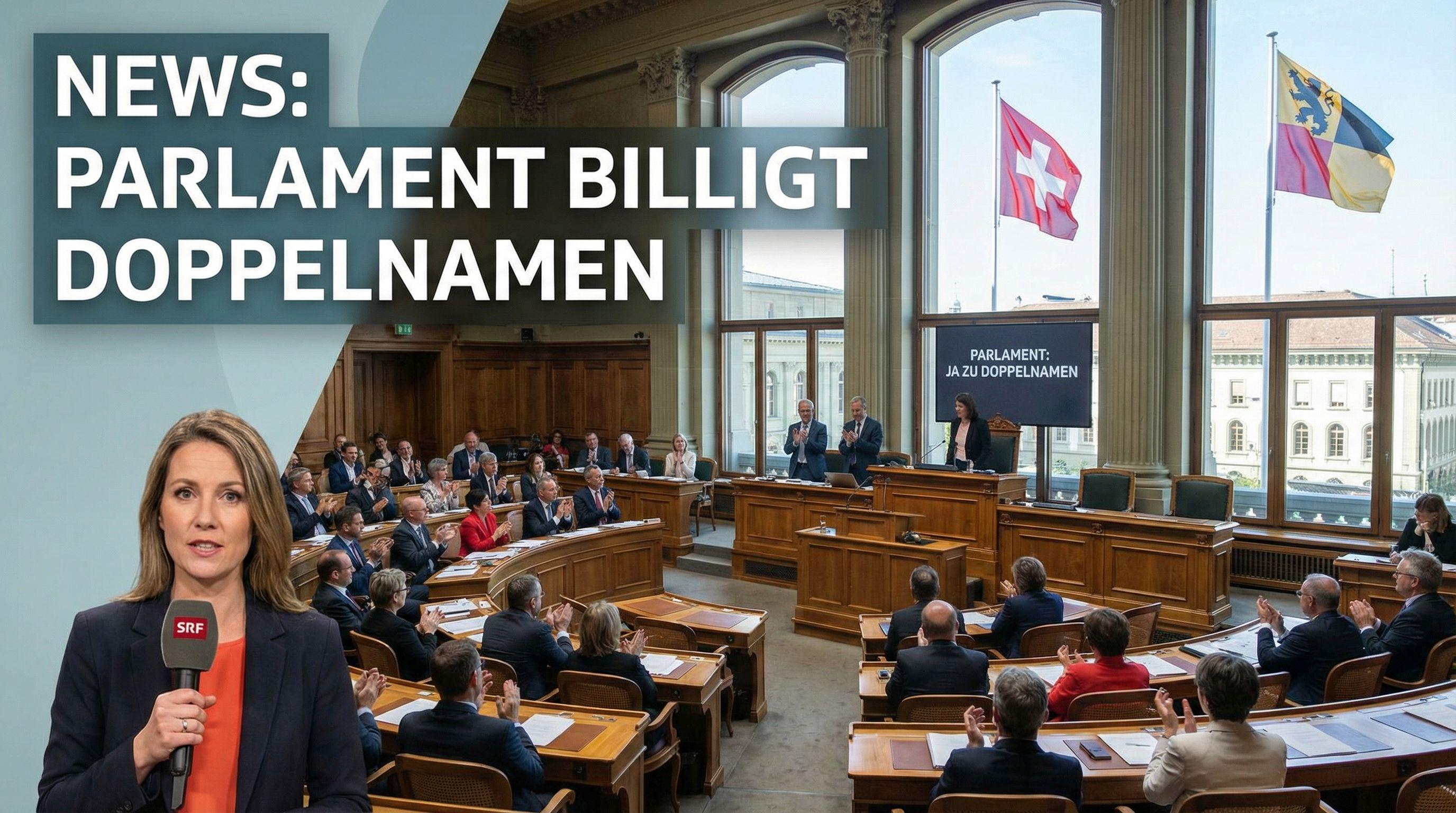
After extensive debate, the Swiss parliament has ironed out its final differences and agreed on a bill to reintroduce double surnames for married couples. The proposal is now ready for the final vote, marking a significant legal and social change.
Parliament Smashes Barriers to Name Freedom
Switzerland’s rigid naming laws are finally crumbling. In a decisive move that ends years of bureaucratic frustration, the Swiss parliament has shattered the deadlock on double surnames. On Monday, the Senate aligned with the House of Representatives, signaling a massive shift in family law that citizens have been demanding for over a decade. This is not just a minor adjustment; it is a restoration of identity for thousands of couples.
The bill is now locked and loaded for a final vote, marking the end of a tedious legislative tug-of-war. The agreement signifies a triumph for flexibility over rigid tradition. By clearing this final hurdle, Parliament effectively acknowledges that the 2013 abolition of double names was a misstep that failed to resonate with the Swiss public. The path is now clear: couples will soon reclaim the right to visibly merge their identities without the need for hyphenated workarounds that hold no legal weight.
Defining the New Identity Rules
The new legislation offers unprecedented freedom, stripping away the restrictive red tape of the past. Under the approved proposal, engaged couples can forge a double surname from any of their available names. This is a critical distinction: the law boldly permits the inclusion of names from previous marriages.
While a conservative minority fought to restrict choices strictly to "unmarried" or maiden names, their efforts were flattened. This inclusive approach reflects the complex reality of modern families, where identities are cumulative and personal history matters. A divorced individual remarrying can now carry forward a name that may be professionally established or emotionally significant, blending it with their new partner's name. This creates a legal framework that finally mirrors the fluidity of modern relationships rather than archaic patriarchal standards.
Overcoming Conservative Resistance
The road to this agreement was paved with friction. A stubborn minority in the Senate launched a final attempt to curtail the bill's scope, arguing for a stricter interpretation that would ban names from prior marriages. However, the momentum for change proved unstoppable. The responsible committee crushed this opposition by a vote of 25 to 17, a significant margin that underscores the shifting political appetite in Bern.
This 25-17 victory is a clear mandate. It demonstrates that the majority of lawmakers are no longer willing to police the specific components of a citizen's name. The debate, though brief on Monday, represented the culmination of a long-standing dispute that has plagued the chambers. With this vote, the Senate has effectively silenced the detractors who sought to keep Swiss naming conventions in the past.
Drawing the Line for Future Generations
While the new law empowers couples, it draws a hard line at the next generation. In a move to prevent administrative chaos and "endless name chains," the Parliament has ruled that children cannot bear the double surname. They will receive only a single name chosen by their parents.
This restriction serves as a necessary brake on the system. While parents can enjoy the symbolism of a united double name, the state mandates clarity for the child's legal identity. This compromise ensures that while the parents' union is visibly celebrated through their surnames, the child's identity remains streamlined. As the bill heads to the final vote, this provision stands as the final piece of the puzzle, balancing personal liberty for adults with practical governance for the future.