AI
Written with AI assistance•1. Januar 2025•
Swiss chocolate maker Lindt & Sprüngli wins court battle forcing Aldi Suisse to halt sales of similar-looking chocolate balls, protecting CHF44.8 million annual Lindor ball business.
"unnecessarily similar"
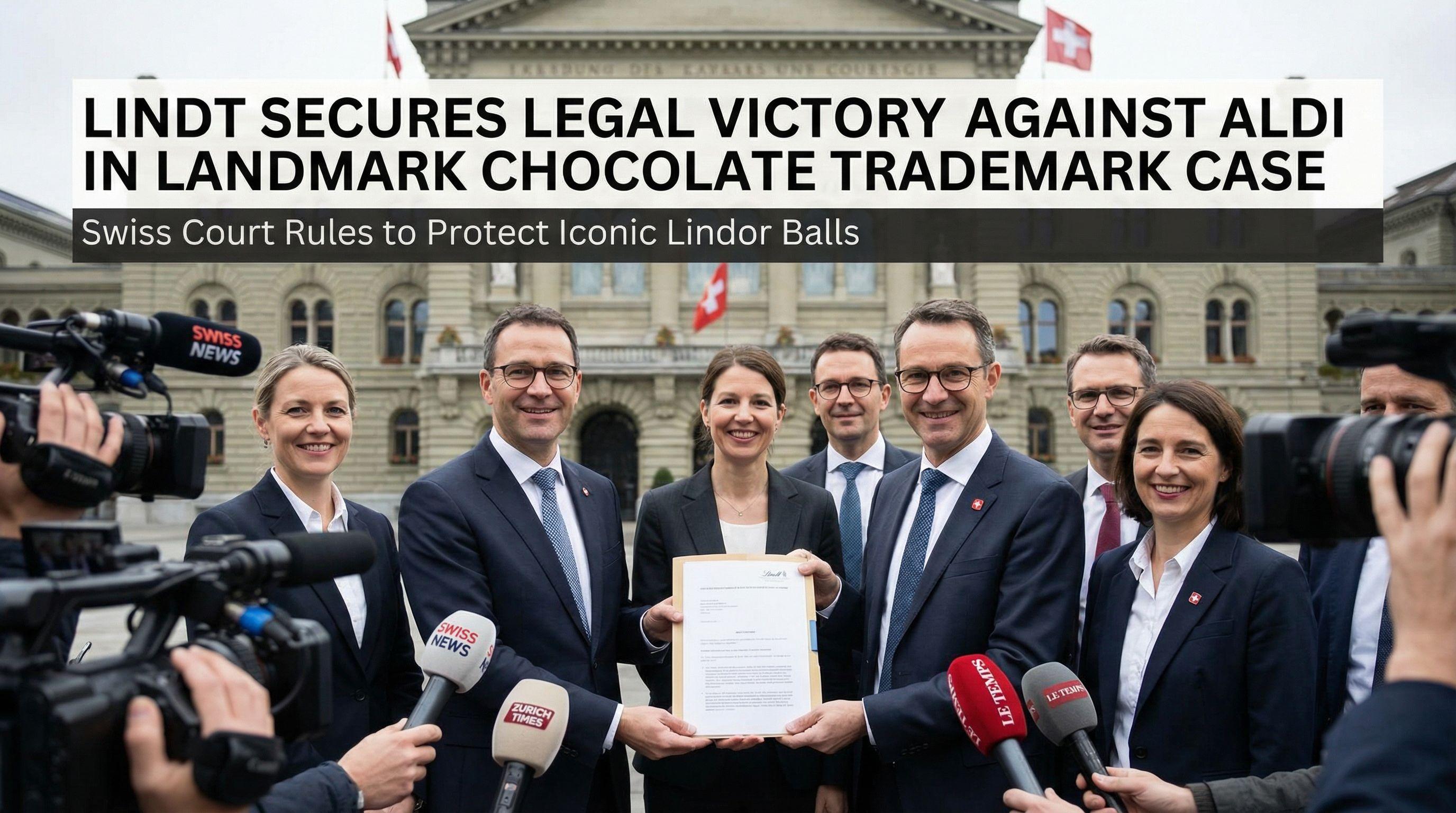
In a landmark ruling, Swiss chocolate manufacturer Lindt & Sprüngli has secured a significant legal victory against Aldi Suisse in a trademark dispute over chocolate balls. The Commercial Court of canton Aargau has ordered the German discount retailer to cease sales of its 'Moser Roth' chocolate balls, determining they bear too close a resemblance to Lindt's iconic Lindor products. The December 14 ruling marks a crucial win for the Swiss chocolate maker in protecting its intellectual property rights.
The case underscores the substantial commercial interests at stake, with Lindt & Sprüngli's Lindor balls generating annual sales of CHF44.8 million in Switzerland alone. The timing of the ruling, during the crucial Christmas sales period, prompted the court to require Lindt to post a security deposit of CHF200,000 in recognition of the potential impact on Aldi's seasonal revenues. This decision reflects the delicate balance between protecting intellectual property rights and maintaining fair market competition in Switzerland's premium chocolate sector.
At the heart of the dispute was Aldi's 'Moser Roth' chocolate balls, which featured red-and-blue packaging and were marketed as a 'Christmas edition' since October 2024. The court deemed these products 'unnecessarily similar' to Lindt's Lindor balls, highlighting the importance of distinctive branding in the competitive chocolate market. This case follows Lindt's previous successful trademark protection efforts, including a recent victory in Munich regarding their gold-foiled chocolate bunnies.
The court has set a March 13, 2025 deadline for Lindt & Sprüngli to file a lawsuit in the main proceedings against Aldi Suisse. This interim ruling, while significant, represents just one step in the ongoing legal process. The case sets an important precedent for trademark protection in Switzerland's food industry and demonstrates the country's commitment to protecting intellectual property rights of established Swiss brands. The requirement for Lindt to provide a security deposit also shows the court's consideration of balanced commercial interests.